


10 Common Mistakes People Make with Ice Therapy
Ice therapy (cold therapy) is a simple, effective tool for reducing pain, swelling, and inflammation after injury or surgery. But when used incorrectly, it can be ineffective or even cause harm. Below are the 10 most common mistakes people make with ice therapy, how to avoid them, and tips for getting the best recovery results.
1. Applying Ice Directly to the Skin
Placing ice or frozen gel packs directly against skin can lead to frostbite or cold burns, especially during prolonged use. Always place a thin barrier — such as a towel or cloth — between the ice source and your skin. For convenience and consistent protection, consider a reusable medical-grade ice pack or a dedicated cold therapy wrap.
2. Using Ice for Too Long or Too Frequently
Extended cold exposure can damage skin and tissue. Follow the recommended timing: typically 15–20 minutes on, then 40–60 minutes off. If you’re using a continuous cold therapy machine, make sure it has automatic timers and temperature controls to prevent overuse. Browse our selection of cold therapy machines that are designed for safe, controlled application.
3. Underestimating the Importance of Compression
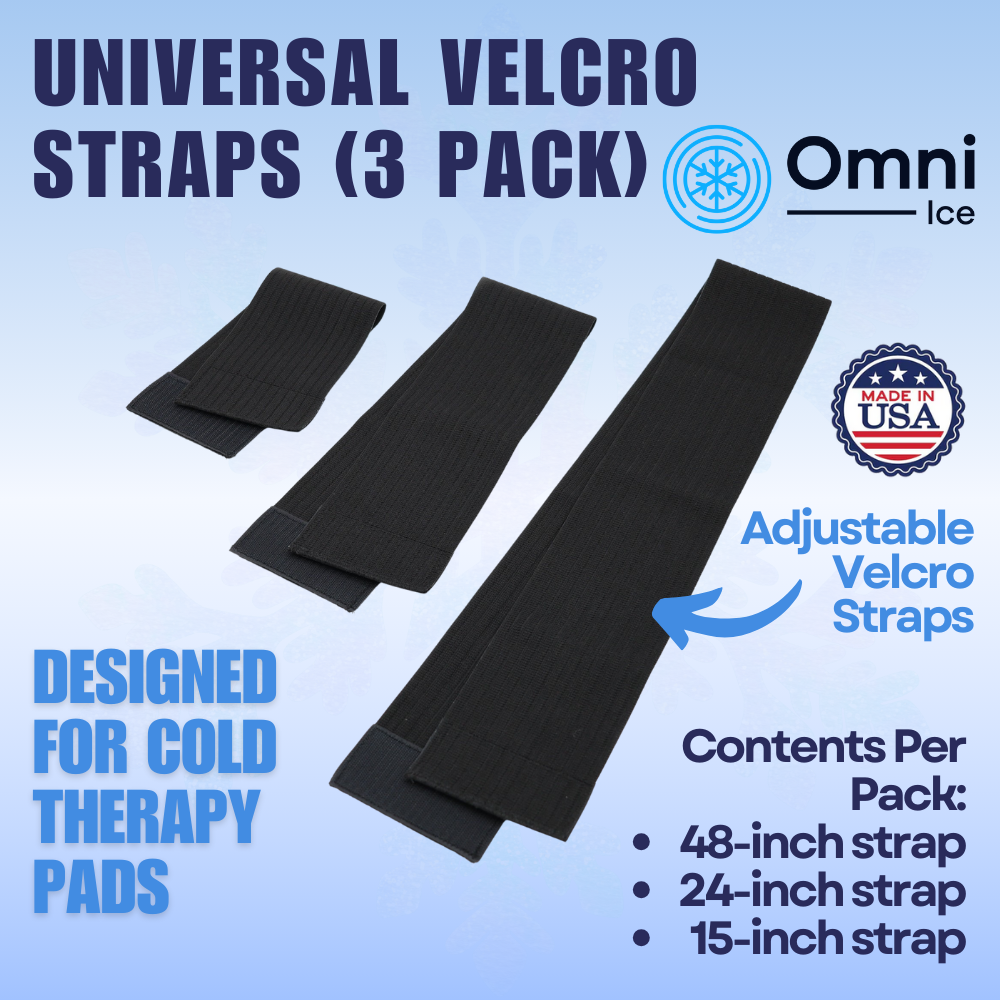
Ice alone reduces pain and swelling, but combining cold with appropriate compression helps control swelling more effectively. Use wraps or devices that provide both cold and compression, or apply an elastic bandage over your ice pack as directed by your clinician. See our cold therapy accessories for options that add secure compression.
4. Not Following Post-Op or Injury Protocols
Recovery protocols after orthopedic surgery or sports injury usually include specific ice recommendations. Ignoring your surgeon’s or therapist’s instructions can delay healing. If you’re unsure which product or protocol is right, our team at MyColdTherapy can help — learn more on our post-op recovery resources page.
5. Relying on Ice That Isn't Cold Enough
Warm or partially thawed packs won’t provide effective vasoconstriction to reduce swelling. Keep gel packs properly frozen or use a circulating cold therapy machine for consistent cold delivery. For fast shipping on dependable products, check our same & next day shipping options.
6. Forgetting to Monitor Skin Color and Sensation
Regularly check the skin for unusual color changes, numbness, tingling, or pain. These may be signs of over-cooling or compromised circulation. If you notice any concerning symptoms, remove the ice and consult your healthcare provider. Our customer service team is also available to answer product-specific questions.
7. Using Household Ice Bags Instead of Medical-Grade Options
Improvised solutions like bags of frozen vegetables can work temporarily but often lack proper contours, insulation and safety features. Medical-grade ice packs and wraps conform to the body, maintain temperature longer, and reduce risk. Explore our curated selection of high-quality cold therapy devices and ice packs chosen for safety and value.
8. Applying Ice to the Wrong Injuries
Ice is excellent for acute injuries (first 48–72 hours) and immediate post-op swelling, but it’s less useful for chronic stiffness or certain types of muscle pain where heat may be more appropriate. When in doubt, consult your medical professional about whether cold or heat is right for your condition.
9. Neglecting Hygiene and Maintenance
Reusable packs, wraps, and machines should be cleaned and maintained according to manufacturer guidelines to prevent skin irritation and bacterial growth. Replace worn or leaking packs and check hoses and seals on cold therapy machines. Maintain peak performance by reviewing product care instructions and considering replacement accessories from our accessories page.
10. Overlooking Professional Guidance
Self-treating without guidance can lead to mistakes in timing, temperature, and method. If you’ve had surgery or a serious injury, lean on professionals and trusted suppliers. MyColdTherapy’s US-based sales and customer service team has nearly 30 years of orthopedic industry experience — we’re here to help you choose the right cold therapy machine or accessories for your recovery. Learn more about our experience and mission.
Quick Tips for Safe, Effective Ice Therapy
- Use a thin barrier between ice and skin.
- Limit sessions to 15–20 minutes unless directed otherwise.
- Combine cold with compression when appropriate.
- Monitor skin color and sensation during use.
- Choose medical-grade packs and machines for longer-term recovery.
If you have questions about which product will best support your recovery, talk to a cold therapy consultant at 704-953-2545. Based in Charlotte, North Carolina, MyColdTherapy.com offers best-in-class orthopedic products at affordable prices, with fast, reliable shipping and a US-based team that understands your needs. We select products for the highest quality and value so you can focus on healing. Contact us or call today to learn more and find the right cold therapy solution for your next order.