


Can Cold Compression Replace Pain Medication?
Cold compression therapy — the combination of controlled cold and targeted compression — is a cornerstone of non-pharmacologic pain management for acute injuries and many post-operative conditions. With growing concern about opioid use and a rising interest in drug-free recovery strategies, many patients and clinicians ask: can cold compression replace pain medication? The short answer: sometimes it can reduce or limit the need for medication, but it won’t be a complete substitute in all situations. Understanding when cold compression helps, how it works, and how to use it safely will help you make an informed choice about your pain management plan.
How cold compression eases pain
Cold compression relieves pain through two complementary mechanisms:
- Cold (cryotherapy) constricts blood vessels, reduces local metabolic rate and nerve conduction, and numbs the pain receptors.
- Compression helps limit swelling (edema), stabilize the injured area, and improves comfort by reducing mechanical irritation.
Together these effects can lower inflammation and immediate discomfort after sprains, strains, arthroscopic procedures, and many orthopedic surgeries. For many patients this leads to a reduced need for oral analgesics during the early recovery phase.
When cold compression may replace or reduce pain medication
Cold compression has the best chance of reducing or replacing pain medication in the following situations:
- Acute, localized injuries (e.g., ankle sprains, minor soft-tissue injuries).
- Early post-operative recovery where swelling and inflammation are primary pain drivers (e.g., knee arthroscopy, rotator cuff repair).
- When used as part of a multimodal pain protocol alongside physical therapy and other non-opioid strategies.
Clinical practice increasingly favors multimodal approaches — combining cold compression with acetaminophen, NSAIDs, nerve blocks, and physical therapy — to minimize opioid exposure. For many patients, frequent use of cold compression in the first 48–72 hours after injury or surgery can significantly reduce the amount of medication required.
When medication is still necessary
Cold compression isn’t a cure-all. Medication remains important when:
- Pain is severe or not primarily caused by swelling (e.g., neuropathic pain).
- There is a systemic issue such as infection or deep tissue damage that requires medical treatment.
- Your physician prescribes medication for adequate pain control to allow rehabilitation or rest.
Always consult your surgeon or treating physician before stopping prescribed medications. Cold compression should complement — not abruptly replace — any medication regimen without medical guidance.
Benefits of using a high-quality cold compression system
Not all cold therapy is created equal. Best-in-class systems deliver controlled, continuous cold and adjustable compression for more consistent relief than traditional ice packs. Benefits include:
- Longer treatment times without ice melt or temperature swings
- More precise temperature and compression control for comfort and safety
- Hands-free design that supports activity and mobility during recovery
Explore trusted options like cold therapy machines for post-op recovery and targeted ice compression wraps to find the right fit for your needs: cold therapy machines and ice compression wraps.
Safe and effective use—tips that matter
To maximize benefit and minimize risk, follow these practical tips:
- Use cold compression for 15–20 minutes per session, with 30–60 minute breaks in between, or follow your clinician’s recommendations.
- Avoid placing cold directly on bare skin—use a barrier or follow device instructions.
- Monitor skin color and sensation; stop therapy if you experience numbness, blistering, or unusual pain.
- Combine cold compression with elevation and gentle movement as appropriate for your injury.
- Follow device instructions and consult product resources such as our FAQ or product guides.
Who should avoid cold compression
Cold therapy is not safe for everyone. Discuss alternatives if you have:
- Raynaud’s disease, cold hypersensitivity, or other circulation disorders
- Open wounds or compromised skin that require different care
- Impaired sensation (e.g., neuropathy) where you can’t reliably feel extreme cold
These contraindications are covered in our product pages and support resources — see why cold therapy matters and contact our team for personalized guidance.
Making cold compression part of a broader recovery plan
For optimal outcomes, use cold compression as one element of a coordinated recovery strategy that may include:
- Prescribed medications when needed
- Physical therapy and progressive exercise
- Rest, elevation, and appropriate wound care
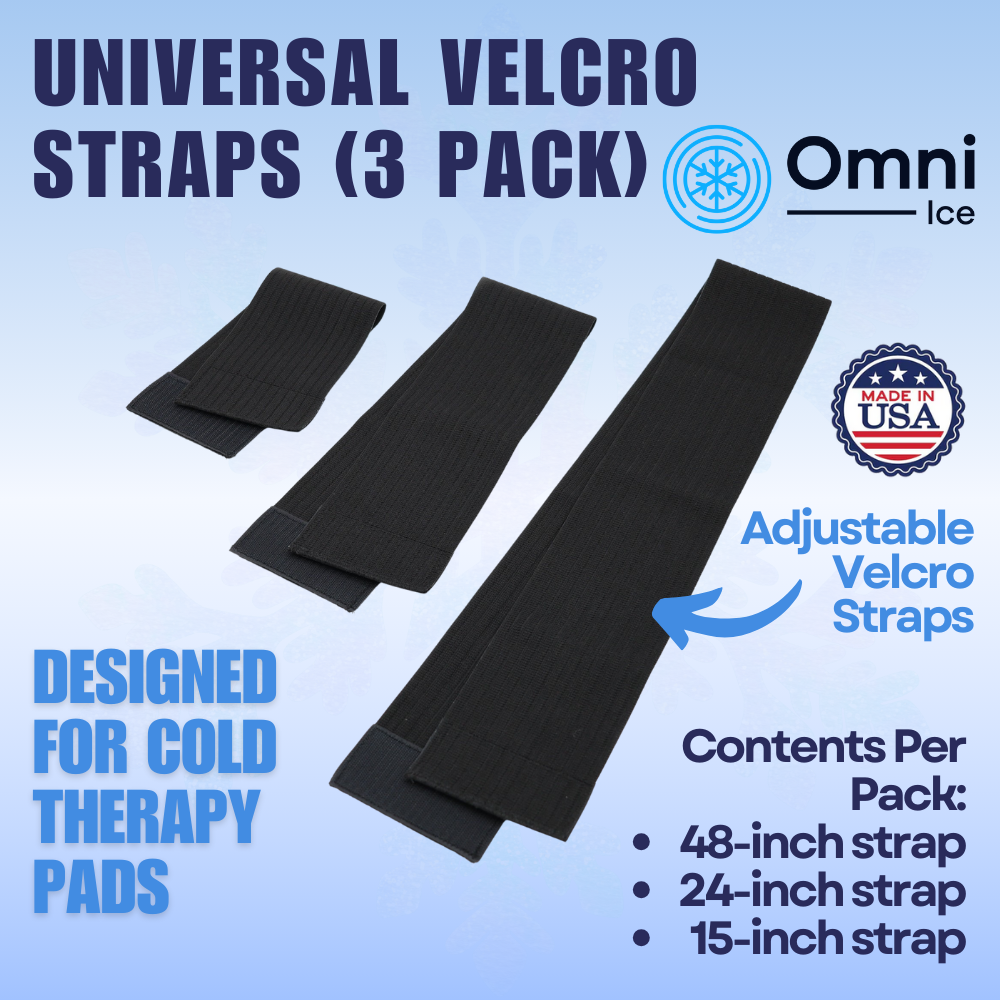
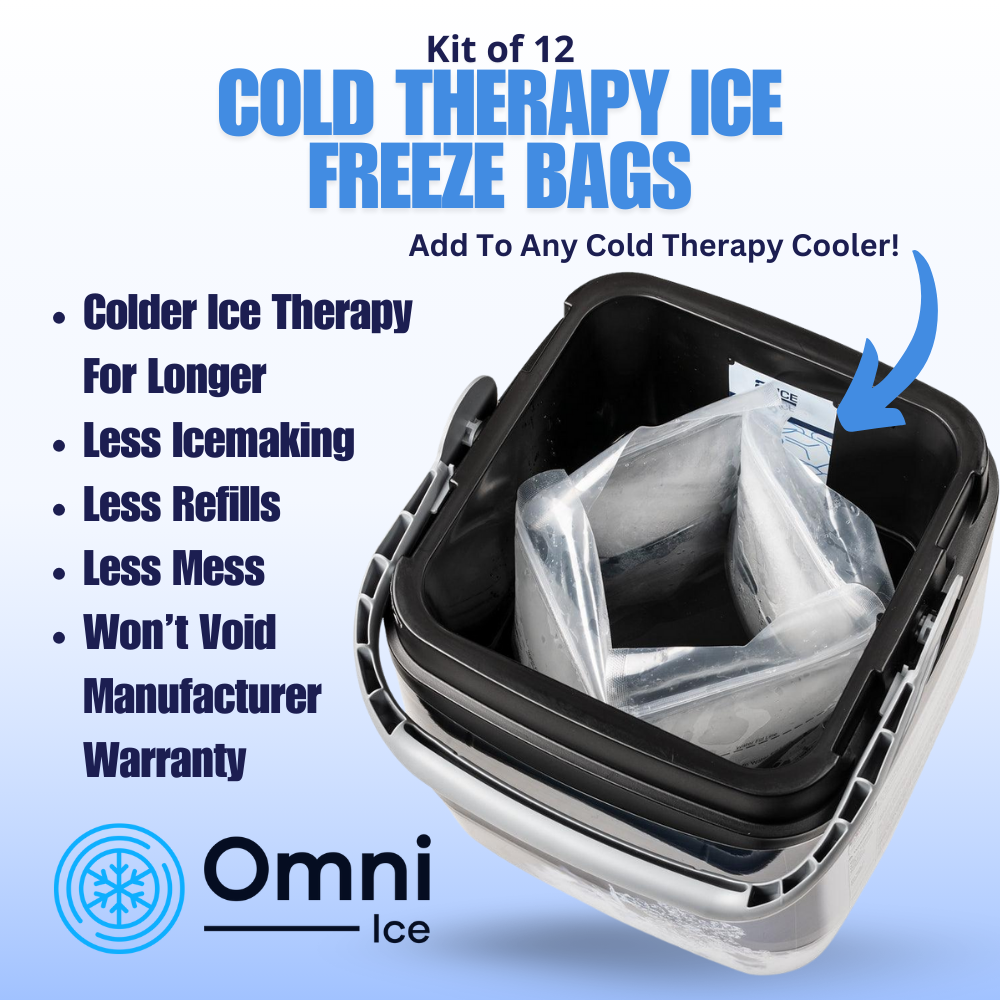
We specialize in products and advice that support multimodal recovery. Learn how cold therapy fits into post-operative protocols on our post-op recovery page, and check accessories and replacement parts to keep your system working well: cold therapy accessories.
Why choose MyColdTherapy for cold compression solutions
MyColdTherapy.com offers best-in-class orthopedic cold compression products at affordable prices with fast, reliable shipping. Based in Charlotte, North Carolina, our US-based sales and customer service team has nearly 30 years of orthopedic industry experience. We select products for quality and value so you can find name-brand cold therapy machines and accessories with same & next day shipping. For help choosing the right system, learn more about our team or contact us.
If you're considering reducing your reliance on pain medications, talk to a cold therapy consultant at 704-953-2545 for personalized recommendations and product guidance. We’ll help you determine whether cold compression could play a larger role in your pain-management plan and help you find the right products to support recovery.
Bottom line
Cold compression can significantly reduce inflammation and acute pain and, for many patients, lower the need for pain medication — particularly in the immediate aftermath of injury or surgery. However, it is not a universal replacement for medication. Work with your healthcare provider to create a safe, effective pain-management plan that may include cold compression as a powerful, non-pharmacologic component.