


How Cold + Compression Therapy Reduces Swelling Faster
Swelling after injury or surgery is a natural part of the inflammatory process, but when left unchecked it can delay healing, increase pain, and limit mobility. Combining targeted cold (cryotherapy) with controlled compression is one of the most effective, evidence-backed ways to reduce postoperative and acute swelling faster. This article explains how cold + compression therapy works, why it’s superior to cold alone, and practical tips for safe, effective use.
Why cold and compression work better together
Cold therapy and compression address swelling through two complementary mechanisms:
- Cold (cryotherapy) causes vasoconstriction—narrowing of small blood vessels—which reduces blood flow to the injured area. This limits bleeding and the amount of fluid that leaks into surrounding tissues. Cold also slows cellular metabolism and reduces nerve conduction, which decreases pain and inflammatory mediator release.
- Compression applies uniform external pressure that limits fluid accumulation in the interstitial space and promotes lymphatic and venous return. This mechanically prevents edema from building and helps clear inflammatory byproducts more efficiently.
When combined, cold reduces the production and influx of fluid while compression accelerates removal of the fluid that does accumulate—resulting in faster, more pronounced reduction in swelling than either modality alone.
Physiology in plain language
Think of swelling as a leaky pipe: injury causes small blood vessels to become more permeable, letting fluid out into the surrounding tissue. Cold therapy tightens the pipe (vasoconstriction) and reduces the pressure forcing fluid out. Compression acts like a gentle external clamp, pushing accumulated fluid back toward the lymphatic and venous systems where it can be carried away.
This combined approach also:
- Reduces pain intensity and reliance on medications.
- Improves range of motion earlier in recovery.
- Decreases the risk of complications related to excessive swelling, such as delayed wound healing and stiffness.
Clinical and practical benefits
Research and clinical practice support the use of combined cold + compression therapy after orthopedic surgeries (e.g., knee, shoulder, hip) and acute injuries. Benefits include:
- Faster reduction in limb circumference and fluid volume
- Lower pain scores in the immediate postoperative period
- Reduced need for opioid or anti-inflammatory medications
- Quicker return to physical therapy milestones
For patients and clinicians looking for reliable solutions, guided systems like clinical-grade cold compression units offer consistent temperature control and adjustable compression levels—features that maximize therapeutic effect compared to ice packs alone. Explore our selection of cold compression units and learn about options tailored for specific procedures and body regions.
How to use cold + compression safely and effectively
To get the best results, follow these practical tips:
- Follow your surgeon or therapist’s protocol for timing and duration—typically 15–30 minutes every 1–2 hours during the acute phase.
- Do not apply cold directly to skin. Use padding or the device’s built-in interface to prevent frostbite.
- Monitor skin condition regularly; discontinue if numbness, extreme discoloration, or severe pain occurs.
- Adjust compression to comfortable but firm levels—enough to feel pressure, not pain or numbness.
- Use higher-quality, device-based systems for prolonged postoperative use rather than ice packs to ensure consistent temperature and reliable compression.
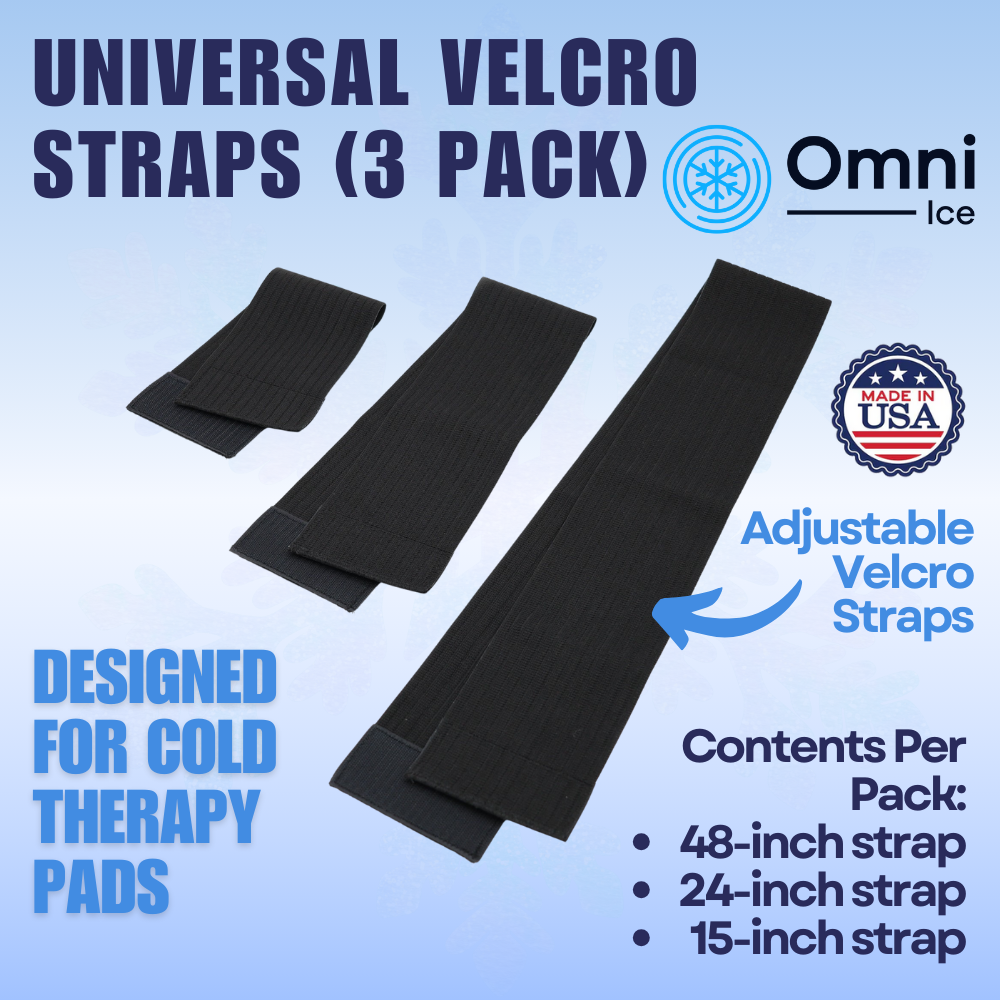
For patients recovering from surgery, integrating cold + compression into your post-op recovery plan can accelerate milestones and keep pain in check. Our team at MyColdTherapy is available to help you choose the right system and accessories—see our accessories to optimize fit and comfort.
Choosing the right product
Not all cold compression products are created equal. Consider systems that offer:
- Precise temperature control and continuous cooling for extended sessions.
- Variable compression settings to match individual comfort and clinical needs.
- Ergonomic wraps designed for the knee, shoulder, hip, or other target areas.
- Durability and easy sanitation for repeated postoperative use.
At MyColdTherapy, our selection focuses on name-brand, quality systems that meet these standards. Learn more about why cold therapy matters and read product-specific details on our site.
Why work with MyColdTherapy?
MyColdTherapy.com offers best-in-class orthopedic products at an affordable price, with fast, reliable shipping and a US-based sales and customer service team that understands your needs. Based in Charlotte, North Carolina, and backed by nearly 30 years of orthopedic industry experience, we select products for the highest quality and value. Our commitment to your health means offering high-quality cold therapy machines and accessories at the best online prices with same- and next-day shipping.
If you have questions about which system is right for your recovery, talk to a cold therapy consultant at 704-953-2545. You can also visit our About MyColdTherapy page to learn more, check our FAQ for common questions, or contact us about your next order.
Final takeaway
Combined cold + compression therapy targets the causes of swelling by both reducing fluid influx and accelerating fluid clearance. Used safely and consistently—especially with a quality device—this approach speeds recovery, reduces pain, and helps patients reach rehabilitation goals sooner. For product guidance and fast shipping, MyColdTherapy is ready to help you find the right solution.