


How to Handle a Muscle Tear: Rest, Ice, and Compression
A muscle tear—whether a mild pull or a more serious rupture—can bring sudden pain, swelling, and limited movement. Acting quickly with the right steps can reduce pain, limit swelling, and speed recovery. In this guide we cover the essentials of treating a muscle tear with rest, ice, and compression (the "RICE" principles), plus practical tips for safe cold therapy and when to seek professional care.
Immediate Steps: Rest, Ice, Compression (and Elevation)
Right after an injury, follow these steps to control pain and swelling:
- Rest: Stop the activity that caused the injury. Avoid weight-bearing or strenuous movement of the injured area to prevent further damage.
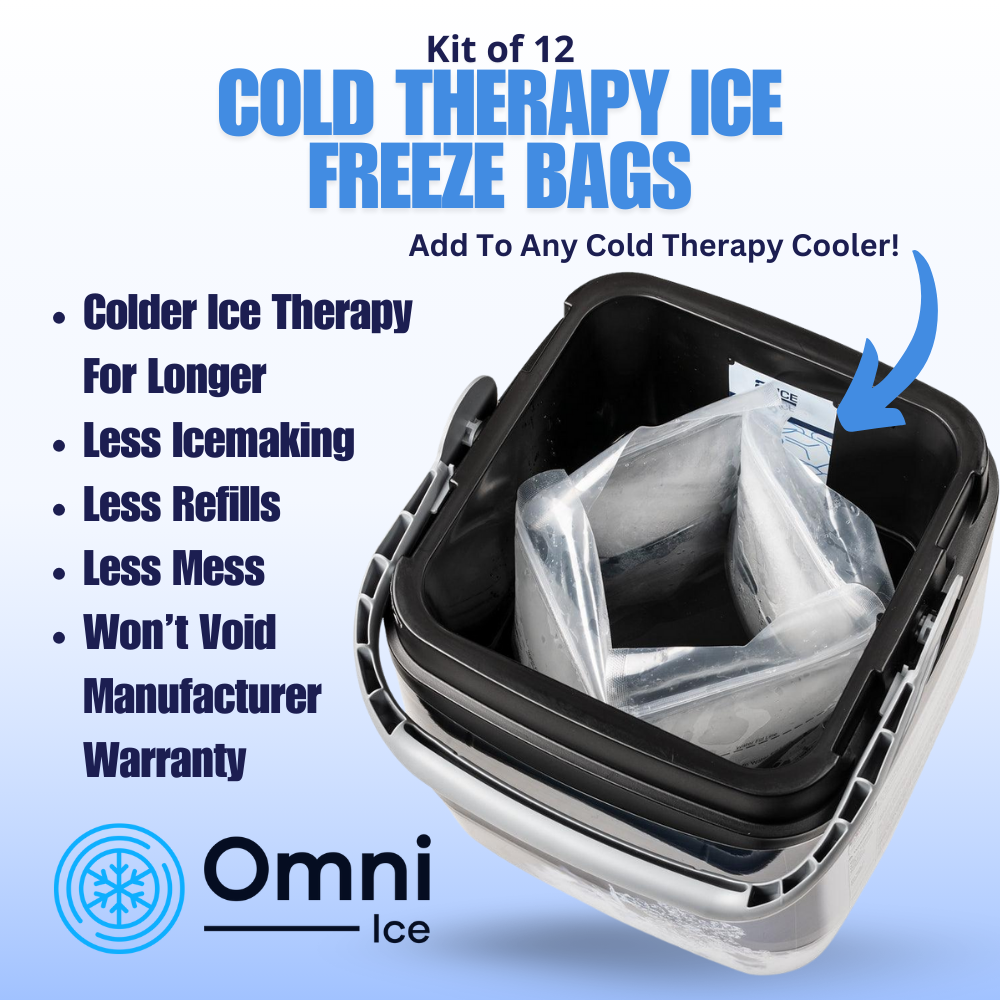
- Ice: Apply cold to the injured area to reduce pain and inflammation. Use a cold pack or a clinical cold therapy unit for best results.
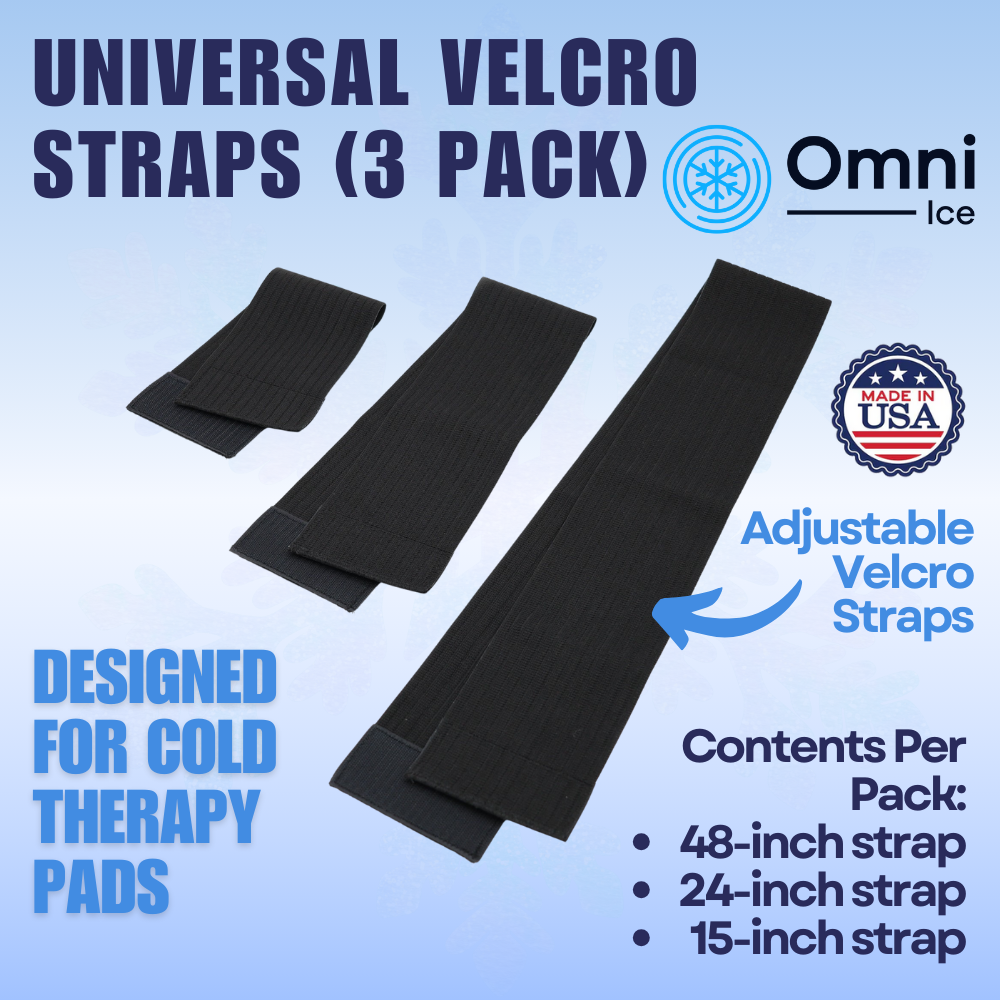
- Compression: Wrap the area with an elastic bandage to limit swelling while maintaining circulation. Avoid wrapping so tightly that numbness or tingling occurs.
- Elevation: Keep the injured limb elevated above heart level when possible to further reduce swelling.
For reliable cold application, consider targeted options like cold therapy machines or reusable ice packs. For joint-specific tears, we offer solutions such as a knee cold therapy cuff and shoulder cold therapy cuff to provide consistent, comfortable cold therapy.
How to Ice Safely and Effectively
Ice is one of the most effective immediate tools for reducing swelling and pain, but it must be used properly:
- Apply cold for 15–20 minutes every 1–2 hours during the first 48–72 hours, then as needed.
- Never place ice directly on skin—use a cloth barrier or a commercially designed cold therapy pad.
- If using a cold therapy machine, follow manufacturer instructions for temperature and duration to avoid frostbite or skin damage.
Clinical-grade cold therapy units provide continuous, controlled cooling and can be especially helpful after significant tears or following surgery. Learn more about how cold therapy supports recovery in our post-op recovery guide.
Compression: Support, Not Squeeze
Compression helps limit swelling and provides support. To apply compression correctly:
- Use an elastic bandage or compression sleeve sized appropriately for the limb.
- Wrap from the farthest point toward the heart (e.g., ankle upward) with even pressure.
- Check circulation—if toes or fingers become numb, pale, or cold, loosen the wrap immediately.
- Remove compression at night unless otherwise directed by a healthcare professional.
Proper compression in combination with cold therapy can significantly improve comfort and mobility in the early days of recovery.
Rest: Why It Matters and How Long to Rest
Rest provides the injured muscle time to begin repairing. The amount of rest depends on the severity:
- Mild strains: rest a few days, then gradually return to activity with gentle stretching and strengthening.
- Moderate tears: may require weeks of limited activity and guided rehabilitation.
- Severe ruptures: often need surgical repair and a structured rehabilitation plan.
During the initial rest period, focus on controlled movements as pain allows. Gradual reintroduction of activity under a physical therapist’s guidance reduces the risk of re-injury.
Warning Signs — When to See a Doctor
Seek medical attention if you experience any of the following after a muscle injury:
- Severe pain or inability to use the limb
- Visible deformity or a low-lying bulge in the muscle (possible rupture)
- Significant swelling, bruising, or numbness
- No improvement after 48–72 hours of conservative care
Early assessment can determine whether imaging, immobilization, or surgical intervention is necessary.
MyColdTherapy: Support for Your Recovery
MyColdTherapy.com offers best-in-class orthopedic products at an affordable price with fast, reliable shipping and a US-based sales and customer service team that understands your needs. With nearly 30 years of orthopedic industry experience, we select products based on the highest level of quality and value. Our commitment to your health and recovery means offering high-quality name brand cold therapy machines & accessories at the best prices found online with same & next day shipping. We understand the orthopedic surgery process and will help you find the right products to support your recovery.
Browse targeted solutions for muscle injuries, including cold therapy machines, ice packs, and joint-specific cuffs like the knee cold therapy cuff and shoulder cold therapy cuff. For more company details, visit our About Us page or check shipping & returns information.
Quick Tips for Faster Recovery
- Start cold therapy immediately and continue regularly during the acute phase.
- Combine rest with gentle range-of-motion exercises as pain allows.
- Use compression and elevation to control swelling.
- Consider a clinical cold therapy unit for consistent temperature control and comfort.
- If in doubt, consult a healthcare professional early to avoid complications.
If you have questions about which cold therapy product is right for your injury, talk to a cold therapy consultant at 704-953-2545. Based in Charlotte, North Carolina, MyColdTherapy is here to help you find the right tools for faster, safer recovery—contact us today via our contact page to learn more.