


How to Manage Swelling After Joint Replacement Surgery
Swelling is a normal part of recovery after joint replacement surgery, whether you've had a knee, hip, or shoulder procedure. Managing swelling effectively speeds recovery, reduces pain, and helps you regain mobility sooner. This guide explains practical, evidence-based steps you can take at home and highlights how targeted cold therapy can play a central role in controlling postoperative swelling.
Why swelling happens after joint replacement
Surgical trauma triggers inflammation as your body begins the healing process. Fluid accumulation (edema) around the joint is common for several weeks after surgery. Factors that influence the severity and duration of swelling include the complexity of the procedure, your activity level, pain control, circulation, and whether you follow post-op instructions for icing, elevation, and compression.
Immediate actions to reduce swelling
Start with these evidence-based strategies in the first days and weeks after surgery:
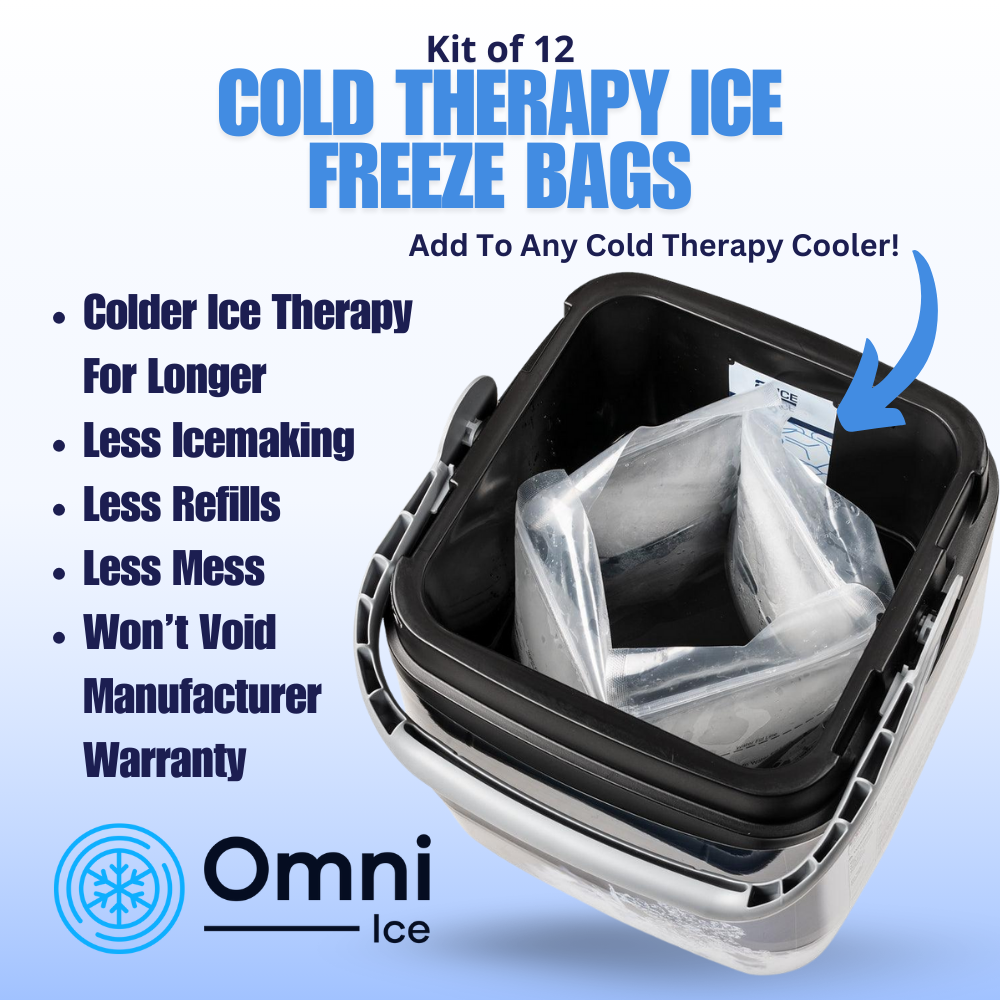
- Cold therapy: Apply cold consistently to reduce inflammation and numb pain. Use a reliable cold therapy unit or an approved ice pack for 20–30 minutes every 2–3 hours while awake. Consider a controlled cold therapy system for longer sessions and better temperature consistency — learn about our selection of cold therapy machines.
- Elevation: Keep the operated limb elevated above heart level when resting to encourage fluid return and reduce pooling.
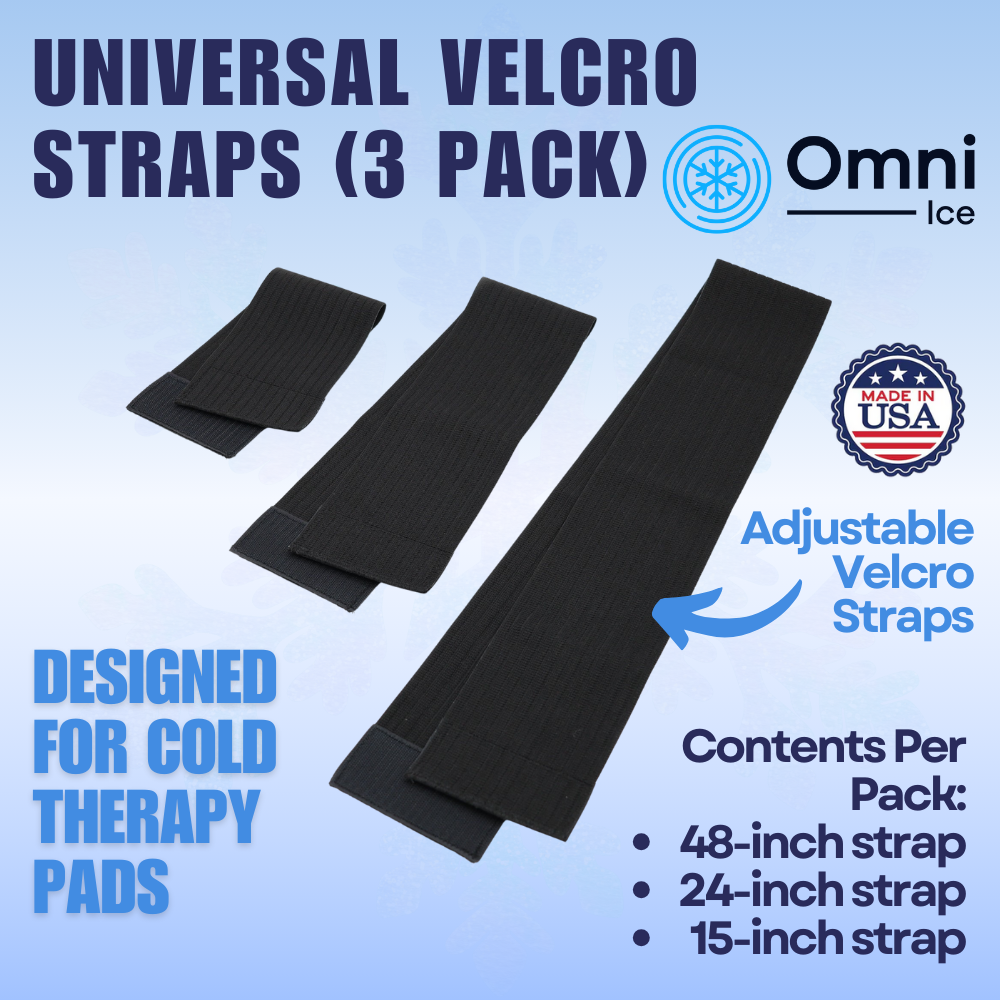
- Compression: Compression garments or wraps help limit swelling by promoting venous return. Ask your surgeon for recommendations, then explore options like our compression therapy products.
- Movement and light activity: Gentle motion and advancing physical therapy exercises (as instructed by your care team) prevent stiffness and help lymphatic drainage.
- Pain management: Proper pain control enables you to move comfortably and adhere to exercises that reduce swelling. Follow your surgeon’s medication plan and discuss any concerns with your care team.
Using cold therapy safely and effectively
Cold therapy (cryotherapy) is a cornerstone of postoperative care. To maximize benefits and minimize risks:
- Use a consistent, regulated device rather than direct ice on skin. Continuous cold therapy units provide steady temperatures and longer treatment times — view our ice therapy units.
- Apply cold for 20–30 minutes per session, several times a day. Some devices are designed for safe extended use if recommended by your surgeon.
- Always use a barrier (a thin cloth or the provided sleeve) between cold source and skin to prevent frostbite or cold burns.
- Stop and consult your care team if you experience numbness, severe pain, or skin discoloration at the treatment site.
- Combine cold with elevation and compression for best results — consider pairing a cold therapy unit with compatible cold therapy accessories and wraps.
Practical tips for day-to-day recovery
- Keep a recovery schedule: set alarms for icing, repositioning, and exercises to avoid overdoing one strategy and neglecting others.
- Drink plenty of water and maintain a balanced diet with adequate protein to support healing.
- Wear comfortable clothing that accommodates dressings and therapy devices.
- Follow your physical therapist’s plan — graduated exercise improves circulation and reduces swelling long-term.
- If you travel or are away from home, pack portable cold therapy options and compression garments to maintain continuity of care.
When to contact your surgeon or seek immediate care
Swelling typically improves over weeks to months, but seek medical attention if you notice:
- Sudden or rapidly worsening swelling, especially with severe pain
- Redness, warmth, or fever — signs of infection
- Leg swelling with calf pain or shortness of breath — possible blood clot (DVT) symptoms
- Worsening numbness, color changes, or skin breakdown near the incision
For general questions about cold therapy and recovery products, speak with a consultant at MyColdTherapy: 704-953-2545.
Long-term strategies to manage lingering swelling
Even months after surgery, the operated joint can retain some swelling. Long-term approaches that help include:
- Continued use of cold therapy after activity or exercise
- Regular low-impact exercise (walking, cycling, swimming) to promote circulation
- Periodic compression during long periods of standing or travel
- Monitoring weight and lifestyle factors that affect inflammation
- Follow-up visits with your orthopedic team to adjust your rehab plan
Choose the right products to support recovery
Selecting a high-quality cold therapy system and accessories makes a practical difference. At MyColdTherapy, we offer best-in-class orthopedic products at affordable prices with fast, reliable shipping. Our US-based sales and customer service team, based in Charlotte, North Carolina, understands the recovery process and can help you find the right solution for knee, hip, or shoulder recovery — check our knee replacement care and hip replacement care resources.
We combine nearly 30 years of orthopedic industry experience with a commitment to quality and value. Browse our full recovery resources to learn more about post-op care and accessories: Post-Op Recovery Resources.
Need help choosing the right cold therapy product?
Talk to a cold therapy consultant at 704-953-2545 for personalized recommendations. Our team can help match products to your surgeon's protocol and your lifestyle, and we offer same & next day shipping on many items. For direct assistance, visit our Contact Us page or call today to get started on a smoother, less swollen recovery.