


The Best Ice Therapy Routines for Runners
Whether you’re training for a 5K or logging marathon mileage, smart recovery is as important as your workout. Ice therapy is a proven tool to manage inflammation, reduce pain after hard efforts, and speed recovery from acute injuries. Below are evidence-based, runner-friendly ice therapy routines and practical tips so you can get back to running sooner — safely and effectively.
Why runners benefit from ice therapy
Cold therapy reduces blood flow to targeted areas, limiting swelling and easing pain after intense sessions or injuries. For runners, that typically means ankles, knees, calves and hip flexors. For post-surgical or orthopedic recovery, controlled cold therapy is a cornerstone of many protocols. At MyColdTherapy.com, we offer a range of ice therapy machines, cold packs and wraps, and accessories to suit different needs.
General rules before you begin
- Check for contraindications: avoid cold therapy if you have poor circulation, cold hypersensitivity, or certain nerve conditions — consult your clinician.
- Limit application time: 10–20 minutes per area is typically safe. Avoid prolonged exposure that could damage skin or nerves.
- Protect skin: use a cloth barrier or a wrap between ice and skin unless using a device designed for direct contact.
- Understand the context: for acute injuries and post-surgery recovery, ice is usually recommended. For routine training, consider how ice may impact long-term adaptation; ask your coach or therapist.
Top ice therapy routines for runners
Here are practical, easy-to-follow routines for common running scenarios.
1. Post-long run cooldown (best for inflammation and soreness)
- When: Start within 30–60 minutes after you cool down and stretch.
- How: Apply a localized cold pack to sore areas (knees, IT band, calves) for 10–15 minutes.
- Frequency: Once after the run; repeat every 2–3 hours if swelling or pain persists, up to 3–4 times the first day.
- Why it helps: Reduces acute swelling and eases pain so you can rest and sleep better.
2. Ice + compression for acute sprains
- When: Immediately after the injury if possible.
- How: Use a compressive cold wrap or cold therapy device that provides both cooling and adjustable compression (see our knee cold therapy and other targeted units).
- Duration: 15–20 minutes on, 45–60 minutes off; repeat during the first 24–48 hours.
- Why it helps: Compression limits swelling while cold reduces pain and inflammation — a standard acute-care approach.
3. Ice bath alternative for whole-leg recovery
- When: After very long runs or high-volume weeks when you need broad recovery.
- How: Fill a tub with cold water (50–59°F/10–15°C) and submerge the legs for 8–12 minutes; or use a full-leg cold therapy system if you prefer controlled temperatures and hands-free use.
- Frequency: Use sparingly — 1–2 times per week during peak training — because repeated full-body cold can blunt training adaptations.
- Tip: Contrast with warm showering afterward or restorative easy runs the following day.
4. Pre-run “numbing” for acute pain (use sparingly)
- When: Only for short-term pain relief before a specific event; avoid masking serious injuries.
- How: A brief 5–10 minute application to the painful area may reduce discomfort before warmup.
- Caution: Cold can reduce muscle contractility and sensation; don’t rely on it to push through unsafe pain.
Device selection and product recommendations
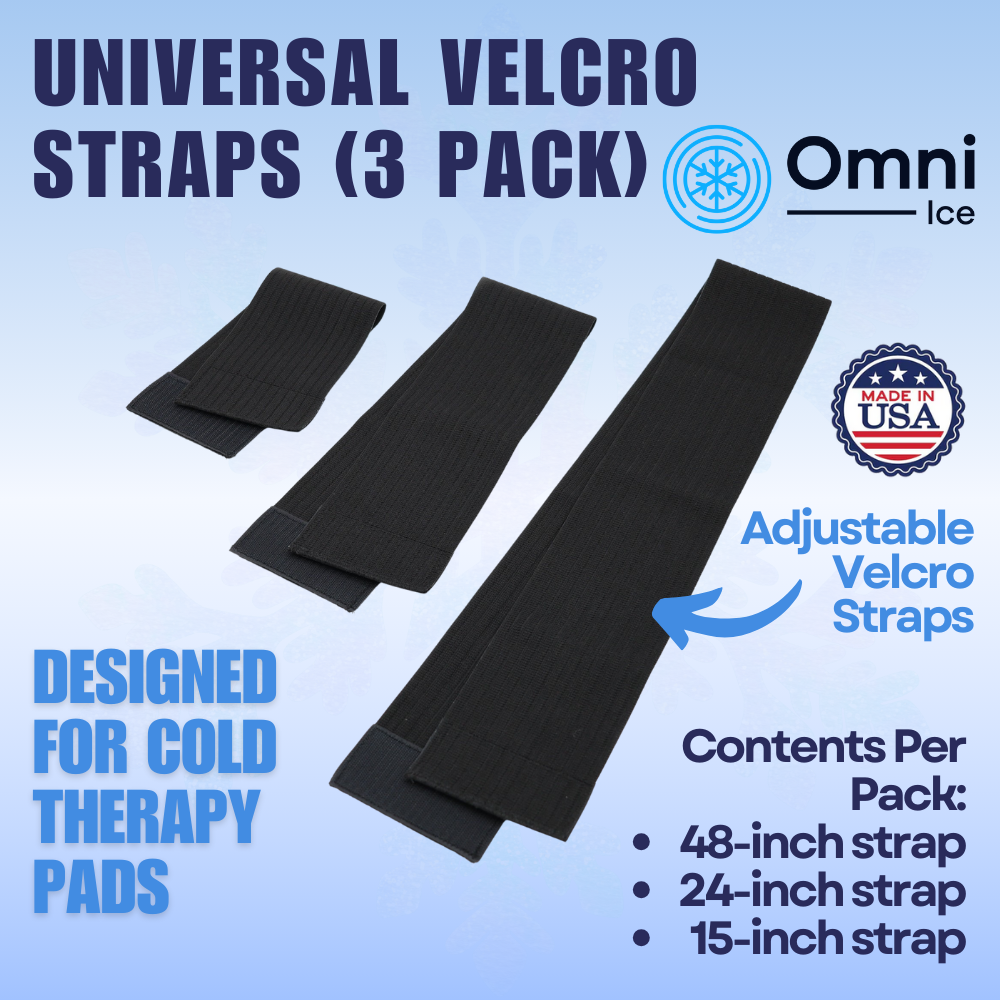
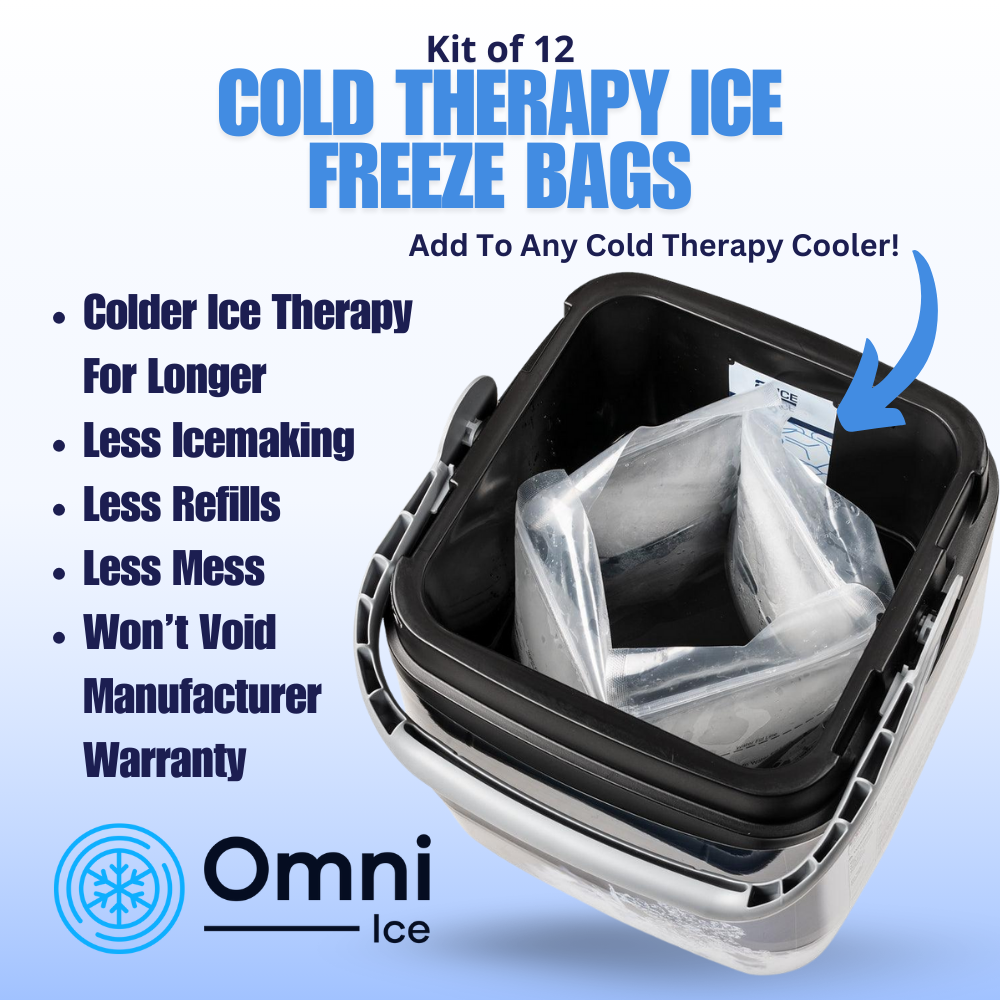
Choosing the right tool makes routines easier and more effective. For targeted recovery, consider portable cold therapy machines or specialized units like our shoulder and knee systems. For on-the-go runners, reusable ice packs and wraps are convenient and affordable. Browse accessories and replacement parts in our accessories section to keep your gear working reliably.
Practical tips for consistent recovery
- Plan your ice therapy into your weekly schedule — consistency helps recovery more than sporadic use.
- Combine cold with active recovery: light cycling, walking, or mobility work enhances circulation once the acute phase has passed.
- Monitor progress: if swelling or pain worsens or doesn’t improve in a few days, consult a clinician or orthopedic specialist.
- For surgical recovery, follow your surgeon’s protocol — many recommend continuous or intermittent cold therapy devices for superior results.
Why choose MyColdTherapy
MyColdTherapy.com delivers best-in-class orthopedic products at affordable prices with fast, reliable shipping and a US-based team that understands runners’ needs. Based in Charlotte, North Carolina, we bring nearly 30 years of orthopedic industry experience to help you select the right cold therapy solution. Learn more about our recovery resources in the Recovery Guide or reach out via our contact page.
If you’re unsure which product or routine is right for your running goals or rehab plan, talk to a cold therapy consultant at 704-953-2545. Our team can recommend solutions, discuss same & next day shipping options, and help you find the best value for your recovery needs.
Run smarter, recover faster — and let cold therapy be a reliable part of your training toolkit.