


The Difference Between Static and Dynamic Compression
Compression therapy is a cornerstone of orthopedic care, sports medicine, and post-operative recovery. When paired with cold therapy, compression helps control swelling, reduce pain, and speed healing. But not all compression is created equal. Understanding the difference between static compression and dynamic compression will help you choose the right product for your needs and maximize your recovery outcomes.
What Is Static Compression?
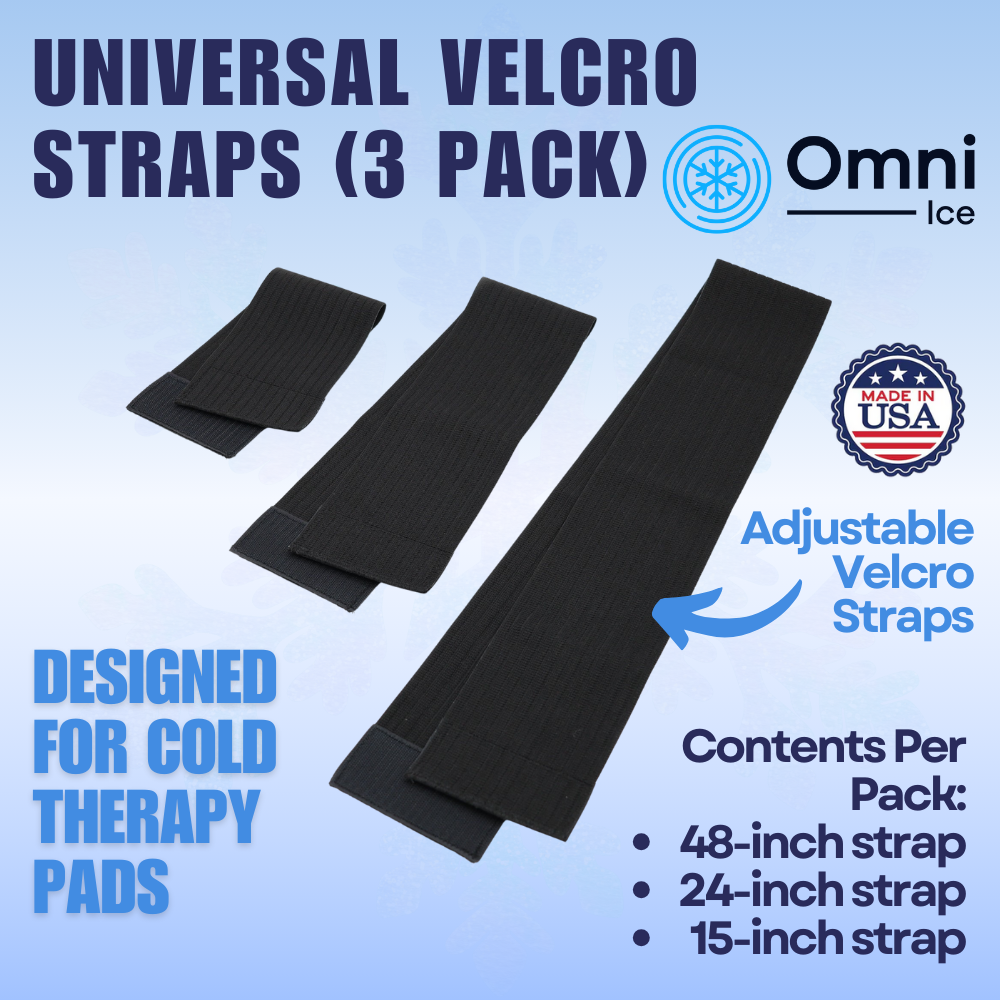
Static compression delivers a consistent, unchanging level of pressure to a limb or joint. Examples include elastic bandages, compression sleeves, and certain types of braces. Static compression is simple, reliable, and cost-effective. It’s commonly used for:
- Reducing mild to moderate swelling
- Support during daily activities
- Maintenance after initial swelling has been controlled
Pros of static compression:
- Easy to apply and adjust
- Lightweight and portable
- Lower cost and minimal maintenance
Cons of static compression:
- Pressure remains constant and may not react to changes in limb size
- Less effective for severe or fluctuating swelling that requires intermittent pressure changes
What Is Dynamic Compression?
Dynamic compression, sometimes called intermittent pneumatic compression (IPC), uses a powered device to apply pressure cycles—compressing and releasing in intervals. These systems can target specific areas and mimic the body’s natural circulatory pumping to promote fluid movement and reduce edema. Dynamic devices are typically used in clinical settings, athletic recovery, and serious post-operative cases.
Advantages of dynamic compression:
- More effective at moving fluid and reducing severe swelling
- Programmable cycles and pressure levels for customized therapy
- Often paired with cold therapy for simultaneous compression and cryotherapy
Limitations of dynamic compression:
- Higher cost and need for power or batteries
- Less portable than simple compression sleeves
- May require training for proper setup
Static vs. Dynamic Compression: Which Should You Choose?
Your choice depends on your condition, recovery stage, and lifestyle. Consider the following guidelines:
- If you need ongoing, simple support for an injury or daily comfort, static compression (like a compression brace or sleeve) is often sufficient.
- If you’re managing significant post-operative swelling, chronic lymphedema, or need aggressive edema control after sports injuries, dynamic compression (intermittent pneumatic devices) is usually more effective.
- Combine compression with cold therapy for improved pain control and inflammation reduction. Browse our selection of cold therapy machines and ice compression wraps to find matched solutions.
Use Cases and Clinical Benefits
Here are common scenarios where each compression type excels:
- Static compression: Mild sprains, tendonitis, athletic prevention, and day-to-day joint support. Products are available across our product categories.
- Dynamic compression: Immediate post-operative care, deep vein thrombosis (DVT) prophylaxis, and severe swelling management. Dynamic systems are often recommended by surgeons and therapists and are featured on our post-op recovery pages.
How Compression Works with Cold Therapy
When compression is combined with cold therapy, it enhances the benefits of both modalities. Cold reduces metabolic demand and numbs pain receptors, while compression limits fluid accumulation and supports circulation. Many patients find faster recovery and less discomfort when using a coordinated approach. Explore our range of compatible ice and compression wraps and cold therapy machines that make this combination simple.
Choosing the Right Product
Ask yourself these questions when deciding between static and dynamic compression:
- What level of swelling or pain am I managing?
- Is this short-term post-op care, or long-term management?
- Do I need portability and simplicity, or clinical-grade performance?
At MyColdTherapy.com, we hand-select products based on quality, value, and clinical effectiveness. Our US-based sales and service team is ready to help you compare options—call a cold therapy consultant at 704-953-2545 or visit our contact page for personalized guidance.
Why Trust MyColdTherapy.com?
Based in Charlotte, North Carolina, MyColdTherapy has nearly 30 years of orthopedic industry experience. We offer best-in-class orthopedic products at affordable prices with fast, reliable shipping—often same- or next-day. Our team understands the orthopedic surgery process and is committed to helping you find the right solutions for recovery. Learn more about our approach and our commitment to quality.
If you’re unsure which compression solution is right for you, our advisors can recommend products for specific surgical procedures, athletic recovery programs, or chronic conditions. Check our FAQ for common questions or contact us directly.
Conclusion
Static compression provides steady support and convenience, while dynamic compression offers advanced, programmable therapy for severe swelling and post-operative needs. The best choice depends on your clinical needs and lifestyle. For expert help selecting the right product, call MyColdTherapy’s knowledgeable team at 704-953-2545 or browse our curated selection of cold therapy machines and compression wraps. We’ll help you find the right tools to support a faster, safer recovery.