


Using Ice Therapy to Manage Chronic Pain
Chronic pain affects millions of people and can interfere with daily life, sleep, and overall well-being. One simple, effective tool many patients use to manage long-term pain is ice therapy — also called cold therapy or cryotherapy. When used properly, ice therapy reduces inflammation, numbs painful areas, and can speed recovery after activity or minor flare-ups. This article explains how ice therapy works, practical strategies for chronic pain management, and how to choose the right products to support your care.
How ice therapy helps chronic pain
Ice therapy works through two primary mechanisms:
- Vasoconstriction: Cold causes blood vessels to narrow, which reduces blood flow to the injured or inflamed area. That lowers swelling and the chemical mediators that cause pain.
- Nerve numbing: Cold decreases nerve conduction velocity, temporarily reducing pain signals sent to the brain.
For people with conditions such as osteoarthritis, tendinopathies, bursitis, and chronic soft-tissue pain, periodic application of cold can reduce flare-up intensity and increase comfort during activities. Unlike medications, ice therapy has minimal systemic effects and can often be used safely alongside other treatments recommended by your healthcare provider.
Practical ice therapy strategies for chronic pain
Follow these evidence-based tips to maximize benefit and minimize risk:
- Timing: Apply ice at the first sign of increased pain or swelling and after activities that aggravate symptoms. For chronic conditions, short, regular sessions are usually more effective than prolonged applications.
- Duration and frequency: Use ice for 10–20 minutes per session. You can repeat every 1–2 hours as needed. Avoid continuous icing for more than 30 minutes to prevent skin or tissue injury.
- Protect skin: Always place a thin towel or barrier between the ice and your skin. Direct contact with ice can cause cold burns or frostbite.
- Combine with activity modification: Use ice after activity or exercise rather than before, unless instructed otherwise by your clinician.
- Alternate appropriately: Some patients benefit from alternating cold and heat (contrast therapy), but check with your healthcare provider for guidance tailored to your condition.
When to use professional cold therapy devices vs. ice packs
Traditional gel packs and frozen peas are a convenient option for short-term relief. For ongoing chronic pain or post-surgical care, dedicated cold therapy systems offer several advantages:
- Consistent, regulated temperatures for safer long-duration use
- Hands-free wraps designed for specific joints (knee, shoulder, hip)
- Reusable, durable components that deliver targeted compression and cooling
- Accessories and replacement parts to extend usability and hygiene
If you’re exploring long-term solutions, our selection of premium devices can make a difference. Browse our lineup of products and cold therapy machines to find systems designed for sustained comfort and recovery.
Safety considerations and contraindications
Ice therapy is safe for most people, but follow these precautions:
- Do not apply cold to areas with poor circulation, numbness, or sensory deficits without medical approval.
- Avoid icing directly over open wounds or skin infections.
- If you have vascular disease, diabetes, or conditions that affect circulation, consult your doctor first.
- Stop use and seek medical advice if you experience increased redness, numbness, blistering, or unusual pain.
Choosing the right cold therapy product
Selecting the right product depends on the joint and your lifestyle. Popular choices include:
- Knee cold therapy systems for arthritis and post-op rehab
- Shoulder cold therapy wraps for rotator cuff and bursitis relief
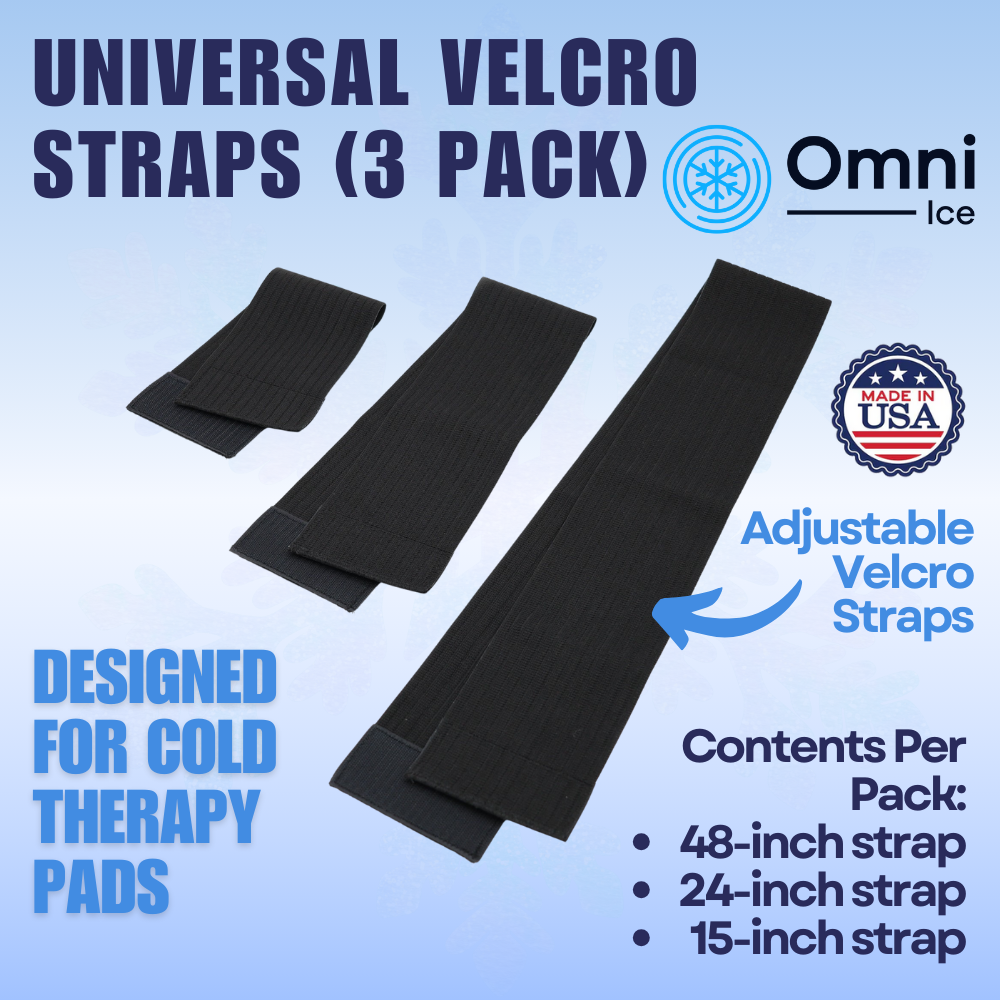
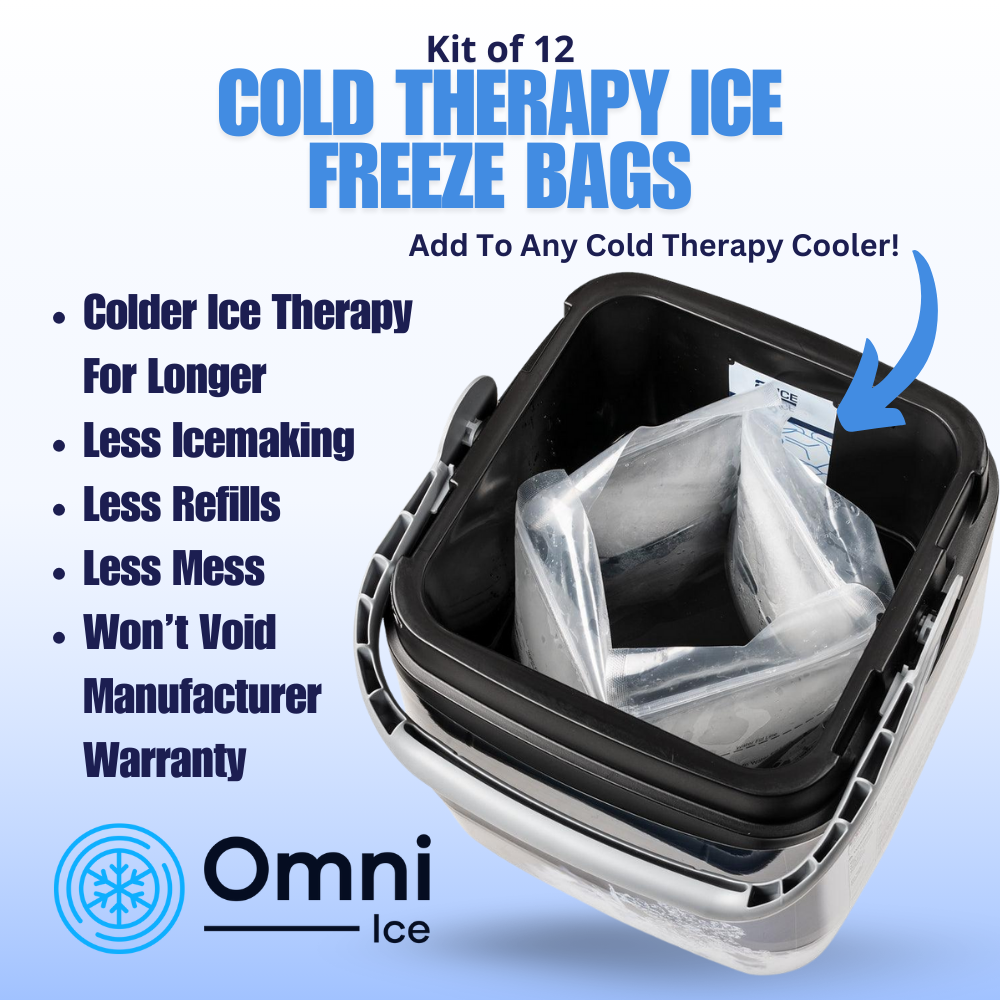
- Accessories like replacement pads, hoses, and carry cases
- Portable, battery-operated units for active lifestyles
At MyColdTherapy, our team curates products based on quality and value, offering name-brand cold therapy machines and accessories with same- and next-day shipping. Learn more about our company’s experience about us or explore our full catalog on the home page.
Integrating ice therapy into a comprehensive pain plan
Ice therapy can be an effective component of a larger chronic pain management strategy that might include:
- Physical therapy and strengthening exercises
- Medications or topical analgesics
- Activity modification and ergonomics
- Weight management and cardiovascular fitness
Discuss a coordinated plan with your healthcare team and use cold therapy as part of a multimodal approach to reduce flare-ups and preserve function.
Talk with a cold therapy consultant
If you’re unsure which system will work best for your condition, our US-based sales and customer service team is ready to help. With nearly 30 years of orthopedic industry experience, MyColdTherapy offers personalized guidance to match products to your needs. Call a cold therapy consultant today at 704-953-2545 or visit our contact page to get started.
Managing chronic pain often requires small daily habits and the right tools. Properly applied ice therapy can reduce inflammation, ease pain, and help you stay active. Explore our recommended options and reach out for assistance — we’re committed to supporting your recovery and comfort.