


Best Practices for Recovery After ACL Surgery
Recovering from anterior cruciate ligament (ACL) surgery is a step-by-step process that requires patience, consistency, and the right tools. Whether you’re an athlete returning to sport or regaining everyday function, following evidence-based best practices can speed healing, reduce pain and swelling, and improve long-term outcomes. Below are practical strategies, rehab milestones, and product recommendations to support a successful recovery.
Immediate Post-Op: Control Swelling and Protect the Graft
In the first 48–72 hours after ACL reconstruction, your primary goals are to control swelling, manage pain, and protect the surgical site. Cryotherapy (cold therapy) is one of the most effective methods for reducing inflammation and discomfort during this acute phase.
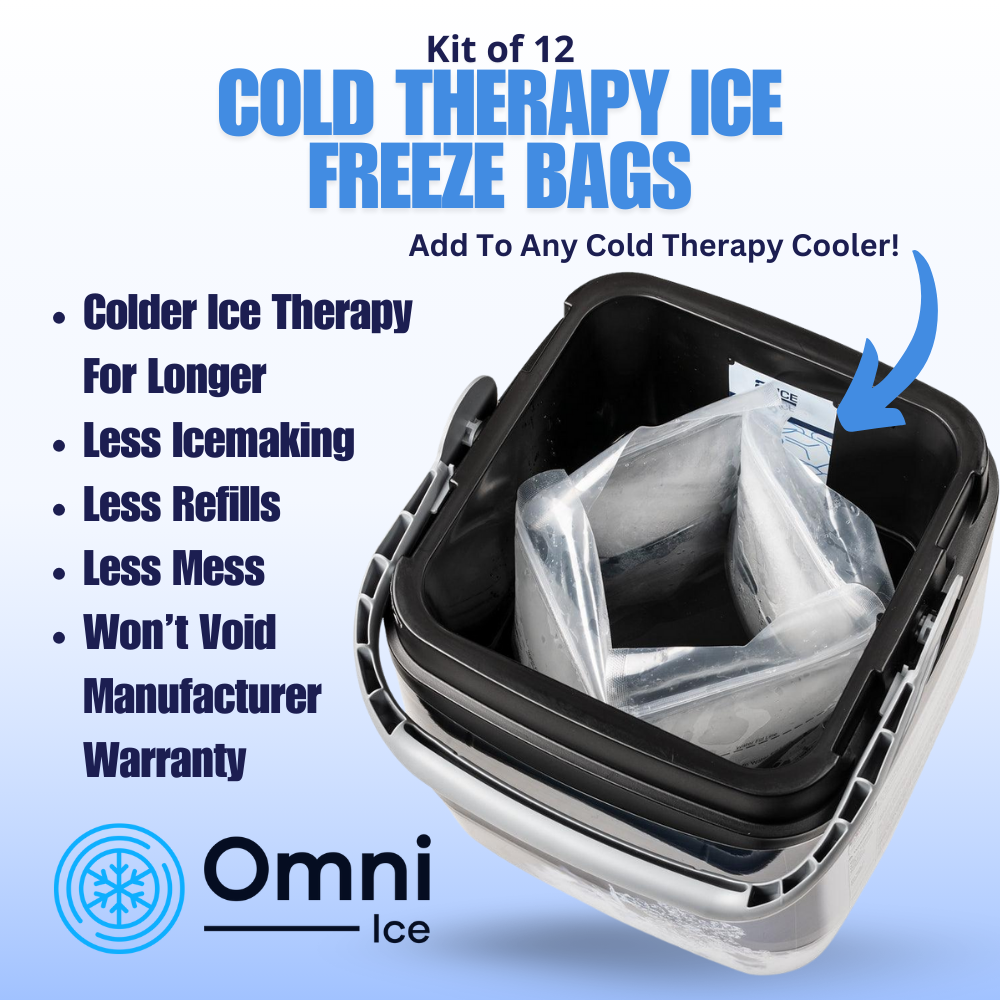
- Use a continuous cold therapy machine or high-quality ice packs to reduce swelling and pain. Explore our selection of cold therapy machines and medical-grade ice packs.
- Keep the knee elevated when resting to further minimize swelling.
- Follow your surgeon’s instructions for wound care and any post-op bracing.
Early Rehab (Weeks 1–6): Restore Range of Motion
Once your surgeon clears you, start gentle range-of-motion (ROM) exercises and basic strengthening. The early focus is to regain full knee extension and gradually increase flexion while protecting the graft.
- Perform passive and active-assisted ROM exercises as prescribed by your physical therapist.
- Begin gentle quadriceps activation (e.g., quad sets) to prevent muscle atrophy.
- Continue cold therapy after exercise sessions to reduce post-workout swelling—see our post-op recovery resources for recommended protocols.
Mid-Phase Rehab (Weeks 6–12): Strength and Balance
Between weeks 6 and 12, strength training and neuromuscular control take priority. Your physical therapist will progress you to single-leg exercises, closed kinetic chain movements, and proprioception drills.
- Incorporate progressive resistance exercises for the quadriceps, hamstrings, and hip stabilizers.
- Work on balance and agility drills to re-establish joint control and coordination.
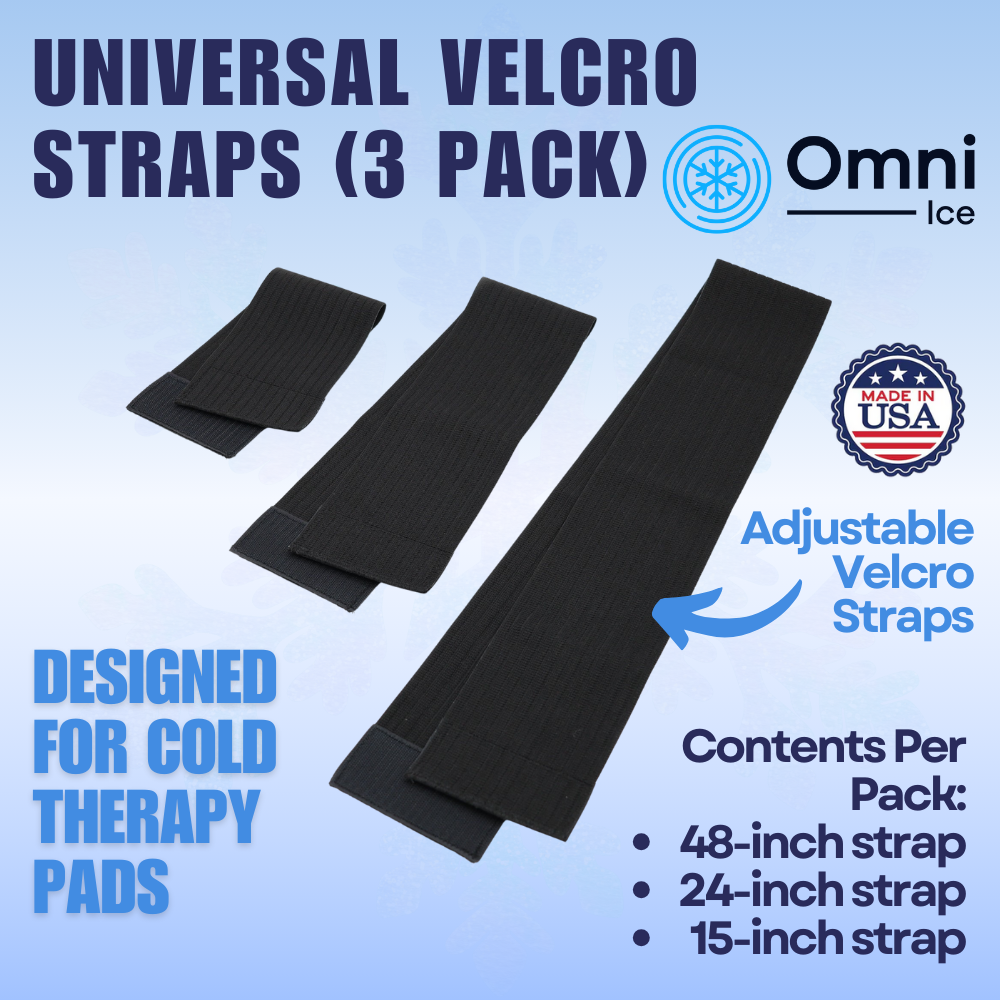
- Use cold therapy as a recovery tool after harder sessions; we carry accessories that make at-home icing comfortable and effective—see our therapy accessories.
Advanced Rehab and Return to Sport (Months 3–9+)
Advanced strengthening, sport-specific drills, and functional testing guide the timeline for returning to high-demand activities. Your surgeon and physical therapist will use objective criteria—strength symmetry, hop tests, and movement quality—rather than just time alone.
- Progress to plyometrics and cutting drills only after meeting strength and control benchmarks.
- Consider a periodized return-to-sport program that gradually increases intensity and complexity.
- Maintain cold therapy routines after intense training or competition to manage inflammation.
Pain Management and Medication
Follow your physician’s recommendations for pain medication and anti-inflammatory drugs. Use non-pharmacologic methods—cold therapy, elevation, and compression—whenever possible to reduce reliance on medications.
MyColdTherapy.com offers reliable, easy-to-use cold therapy machines that are physician-recommended and designed for post-surgical use. Learn about our products and how they fit into a comprehensive recovery plan on our cold therapy machines page.
Practical Tips to Optimize Recovery
- Communicate regularly with your surgeon and physical therapist to adjust your plan based on progress.
- Prioritize sleep and nutrition—adequate protein and micronutrients support tissue repair.
- Use medically designed cold therapy to manage swelling immediately after activity. See our FAQ for guidance on safe icing durations.
- Plan for gradual return to work and activities; avoid rushing back into high-impact tasks.
- Keep essential supplies on hand—our same & next day shipping makes it easy to get what you need. Check our shipping policies.
Choosing the Right Cold Therapy Products
Select devices and accessories that are comfortable, adjustable, and easy to apply. Continuous cold therapy machines can provide controlled cooling and improve patient compliance compared to intermittent icing methods.
At MyColdTherapy.com, we vet products based on quality and value so you get reliable results without overpaying. Learn more about our experience and why clinicians recommend our supplies.
When to Contact Your Care Team
Call your surgeon or physical therapist if you experience increasing pain, fever, excessive swelling, numbness, or drainage from the incision site. For product support or to find the right cold therapy solution for your recovery, reach out to our team.
Talk to a cold therapy consultant at 704-953-2545 for any questions. Based in Charlotte, North Carolina, MyColdTherapy has nearly 30 years of orthopedic industry experience and a US-based sales and customer service team that understands your needs. We offer high-quality name-brand cold therapy machines & accessories at the best prices found online with same & next day shipping. Learn more by contacting us about your next order today via our contact page.
Summary
Successful ACL recovery blends guided rehabilitation, appropriate pain and swelling control, and smart product choices. Use cold therapy strategically, follow your rehab milestones, and rely on experienced professionals—both clinical and product specialists—to support your rehabilitation journey. For trusted cold therapy solutions to complement your ACL recovery plan, explore our range of products and speak with a consultant at 704-953-2545.
Additional resources: Best Practices for Recovery After ACL Surgery.