


How Compression Enhances the Effects of Ice
Ice therapy is a time-tested method for reducing pain and swelling after injury or surgery. When combined with compression, its effectiveness increases significantly — speeding recovery, limiting inflammation, and improving patient comfort. In this article we’ll explain the science behind cold plus compression, practical application tips, and how to choose the right products so you get the best outcomes from your treatment.
Why compression makes ice more effective
Applying ice causes vasoconstriction (narrowing of blood vessels), decreasing blood flow and limiting swelling. Compression adds a mechanical component to this biologic response. Together, ice and compression:
- Reduce swelling more efficiently — Compression increases interstitial pressure, which limits fluid accumulation in the injured area and promotes lymphatic drainage.
- Improve contact and cooling efficiency — A compressive wrap keeps the ice source snug against the skin or dressing so cold penetrates deeper and more evenly.
- Limit internal bleeding — In acute injuries and post-op settings, compression helps control capillary oozing while ice reduces blood flow.
- Enhance pain relief — Combining reduced inflammation with consistent cold contact often results in greater analgesia than ice alone.
- Support mobility during recovery — Compression stabilizes the injured area so gentle movement can be comfortable and safe, aiding rehabilitation.
The physiology in plain language
Ice triggers vasoconstriction, lowering tissue temperature and metabolism. This reduces oxygen demand and slows inflammatory processes. Compression physically counteracts the forces that push fluid into tissues after trauma. By raising local tissue pressure, compression forces excess fluid back into lymphatic and venous channels. The result is less edema, decreased pressure on nerves (less pain), and faster return to function.
Best practices for using ice with compression
To get the most from cold therapy compression, follow these guidelines:
- Use a barrier: Never apply ice directly to bare skin. Use a thin towel, sleeve, or the built-in lining of a cold therapy wrap to prevent frostbite.
- Moderate compression: Aim for snug, even pressure — tight enough to limit swelling but not so tight it causes numbness, tingling, or discoloration.
- Timing: Typical cycles are 15–20 minutes on, 45–60 minutes off for acute injuries. Postoperative protocols may differ—follow your surgeon or therapist’s instructions.
- Monitor skin and sensation: Check the skin frequently for excessive redness, blisters, or loss of sensation. Stop if you notice these signs.
- Combine with elevation: Elevating the injured limb above heart level boosts lymphatic return and amplifies the combined effects of ice and compression.
Types of compression + ice solutions
There are several product options depending on your needs:
- Reusable cold packs with compression wraps — convenient for home use and short sessions.
- Wraps with built-in gel packs — designed for a secure fit and targeted compression.
- Circulating cold therapy machines — deliver continuous cold and consistent compression for post-op recovery; ideal for extended treatment and professional settings. Learn more about cold therapy machines on our product page.
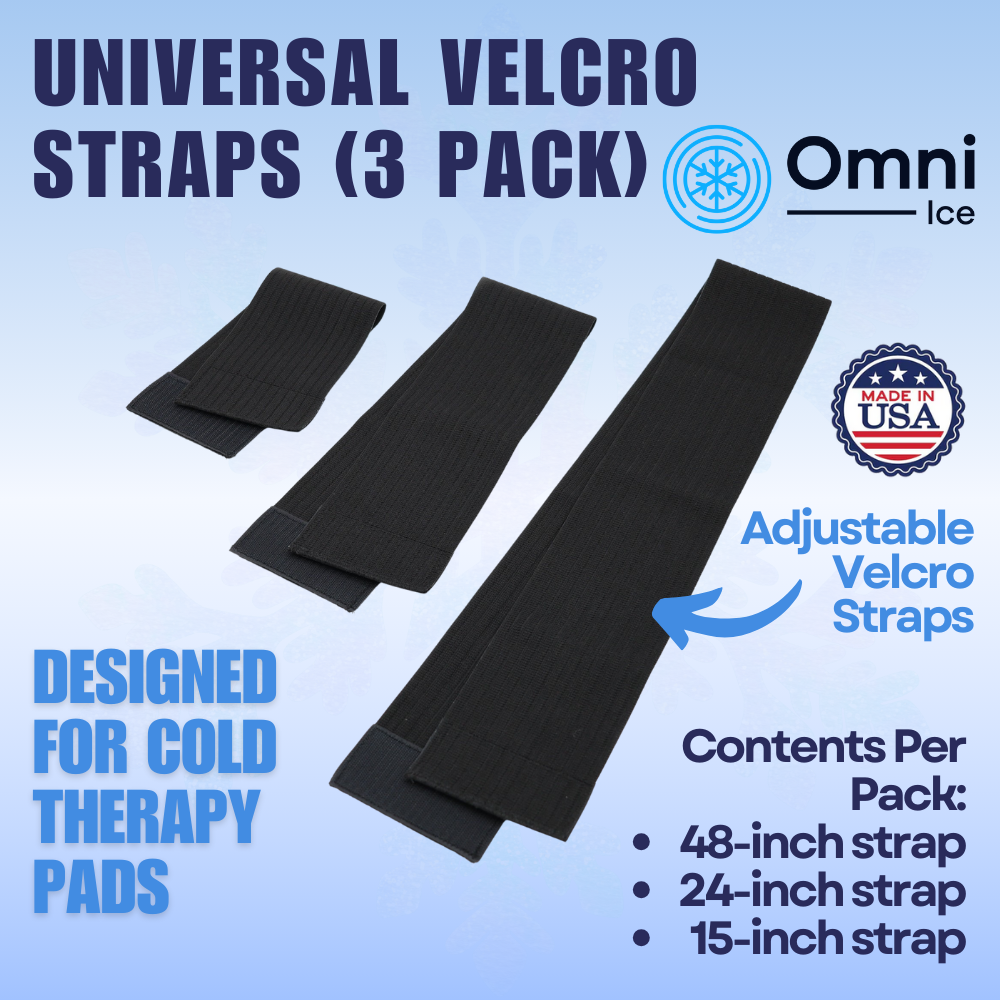
- Accessory supports — straps and sleeves that stabilize the area while holding the cold source in place. Browse our collection of accessories for compatible options.
When to seek professional guidance
Compression with ice is generally safe, but certain situations require medical oversight:
- Loss of sensation, severe pain, or worsening swelling
- Circulatory problems (e.g., peripheral vascular disease or severe diabetes)
- Complex or surgically repaired injuries — follow your surgeon’s recovery protocol
If you’re unsure which product or regimen is right for you, our recovery guides and frequently asked questions provide helpful direction. For tailored advice, visit our contact page to speak with a specialist or see our FAQs.
Why choose professional cold therapy products?
Products designed specifically for combined cold and compression deliver better, safer results than improvised solutions. High-quality systems offer:
- Consistent temperature control to avoid overcooling
- Ergonomic designs that maintain even compression
- Durability for repeated use during the recovery period
Explore our curated selection to find devices and accessories that meet clinical standards and real-world needs on our cold therapy machines page and our accessories page.
MyColdTherapy: Support for your recovery
At MyColdTherapy.com we offer best-in-class orthopedic products at affordable prices with fast, reliable shipping and a US-based sales and customer service team that understands your needs. Based in Charlotte, North Carolina, MyColdTherapy has nearly 30 years of orthopedic industry experience. Our products are selected for quality and value to support safer, faster recovery.
Talk to a cold therapy consultant at 704-953-2545 for any questions. Learn more about our company on the about us page, view our shipping options on the shipping policy page, or place an order directly through our site. If you have specific recovery needs, check our recovery guides for practical protocols and evidence-based tips.
Final takeaway
Compression enhances the effects of ice by improving fluid return, maximizing cold contact, and stabilizing the injured area — together these benefits reduce swelling, lower pain, and speed recovery. Use the right products and follow safe application practices to get better results faster. For help choosing the best solution for your injury or post-op care, contact MyColdTherapy’s expert team today.