


How Long Should You Ice an Injury? Expert Guidance
Icing is one of the most common immediate responses to sprains, strains, and post-operative swelling. But how long should you ice an injury to get the best results without causing harm? Below, we break down expert guidance, practical timing strategies, and safe-use tips so you can recover faster and smarter.
Why icing works
Cold therapy (cryotherapy) reduces blood flow to the injured area, limiting swelling, bruising, and pain. For many injuries, applying cold in the early phase helps control inflammation and provides meaningful pain relief. That said, the effectiveness depends on proper timing, frequency, and how the cold is applied.
General timing recommendations
Experts commonly recommend the following approach for acute injuries (sprains, strains, bumps):
- First 24–72 hours: Prioritize cold to control initial swelling and pain.
- Duration per session: Apply ice for about 15–20 minutes at a time. Avoid continuous icing beyond 30–40 minutes to reduce risk of skin or nerve damage.
- Frequency: Repeat every 1.5–2 hours while awake for the first 48–72 hours.
These guidelines are a practical balance — long enough to lower tissue temperature and reduce inflammation, but short enough to avoid cold-related tissue injury.
Practical icing protocols
- Acute injuries (day 0–3): Ice 15–20 minutes every 1.5–2 hours.
- After that (day 4+): Transition to as-needed icing for pain/swelling control, or consider alternating with heat to improve circulation and mobility.
- Post-operative care: Follow surgeon or physical therapist instructions. Many clinicians recommend cold therapy in the early post-op period to reduce pain and inflammation.
When to stop icing and when to switch to heat
Ice is best for the first phase of injury management. You should consider stopping or reducing ice and introducing heat when:
- Swelling has stabilized and pain is decreasing.
- You need to increase flexibility or prepare for rehabilitation exercises — heat before movement can loosen tissue.
- It’s been several days post-injury and persistent stiffness is limiting function (contrast therapy — alternating cold and heat — can be useful under guidance).
Signs you’re icing too long
Check the injured area frequently. Stop icing and seek help if you notice:
- Prolonged numbness or tingling
- Skin that becomes blotchy, white, or hard
- Increased pain after icing
- Changes in color or temperature distal to the area (suggesting circulation problems)
Special precautions
Certain people require extra caution with cold therapy:
- Those with circulatory disorders (e.g., peripheral arterial disease)
- People with diabetes or neuropathy (reduced sensation can mask cold injury)
- Individuals with Raynaud’s disease or cold sensitivities
- Infants, very young children, or older adults with fragile skin
If any of these apply to you, consult a clinician before using prolonged icing. For post-surgical patients, always follow your surgeon’s specific cold therapy directions.
Best ways to ice an injury safely
- Use a barrier (towel or cloth) between ice and skin to prevent frostbite.
- Prefer controlled cold therapy devices when available — they deliver even cooling and can include compression for superior swelling control.
- Keep sessions to 15–20 minutes unless otherwise directed by a healthcare professional.
- Monitor skin color and sensation during and after icing.
Cold therapy products that make icing safer and more effective
At MyColdTherapy.com we offer a range of solutions designed for safe, effective cold therapy. High-quality cold therapy machines provide regulated temperature control and optional compression, which can help achieve better outcomes than ice bags alone. Explore our selection:
- Cold therapy machines — continuous, controlled cooling for post-op and acute care
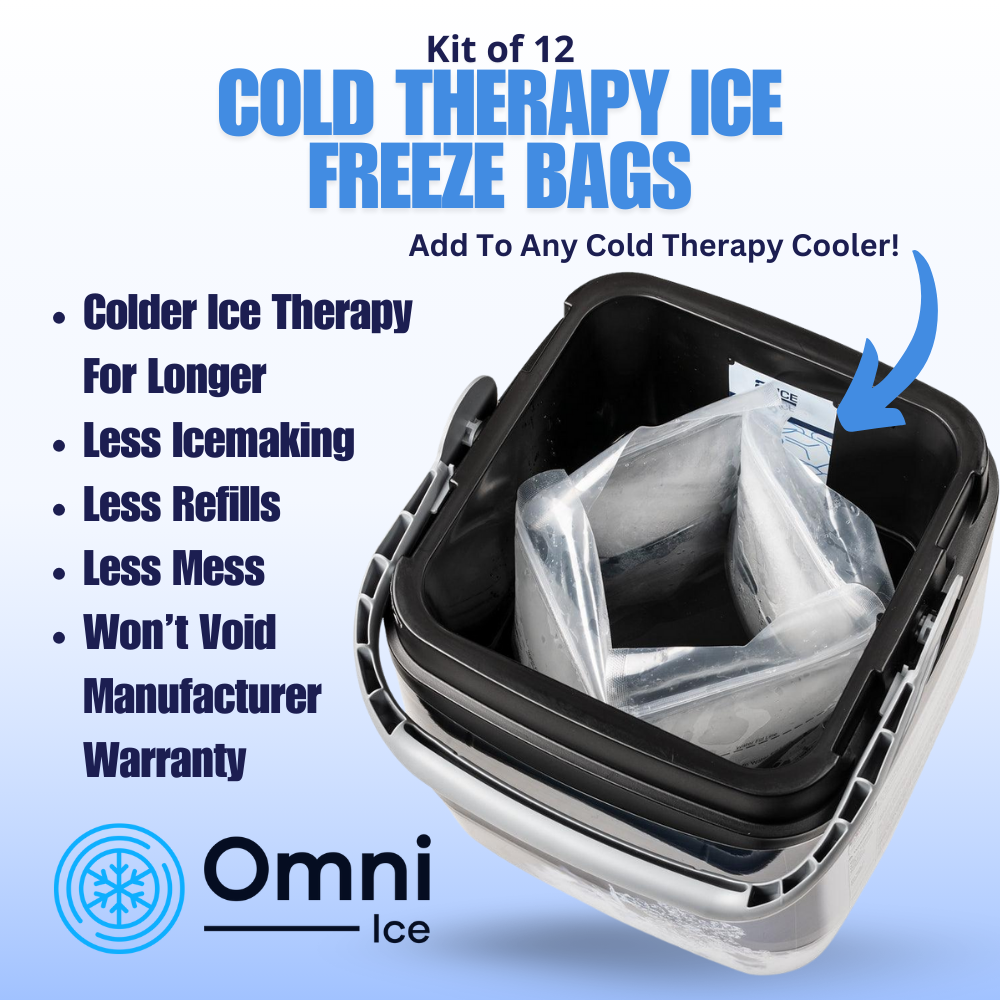
- Reusable ice packs — convenient for home use and travel
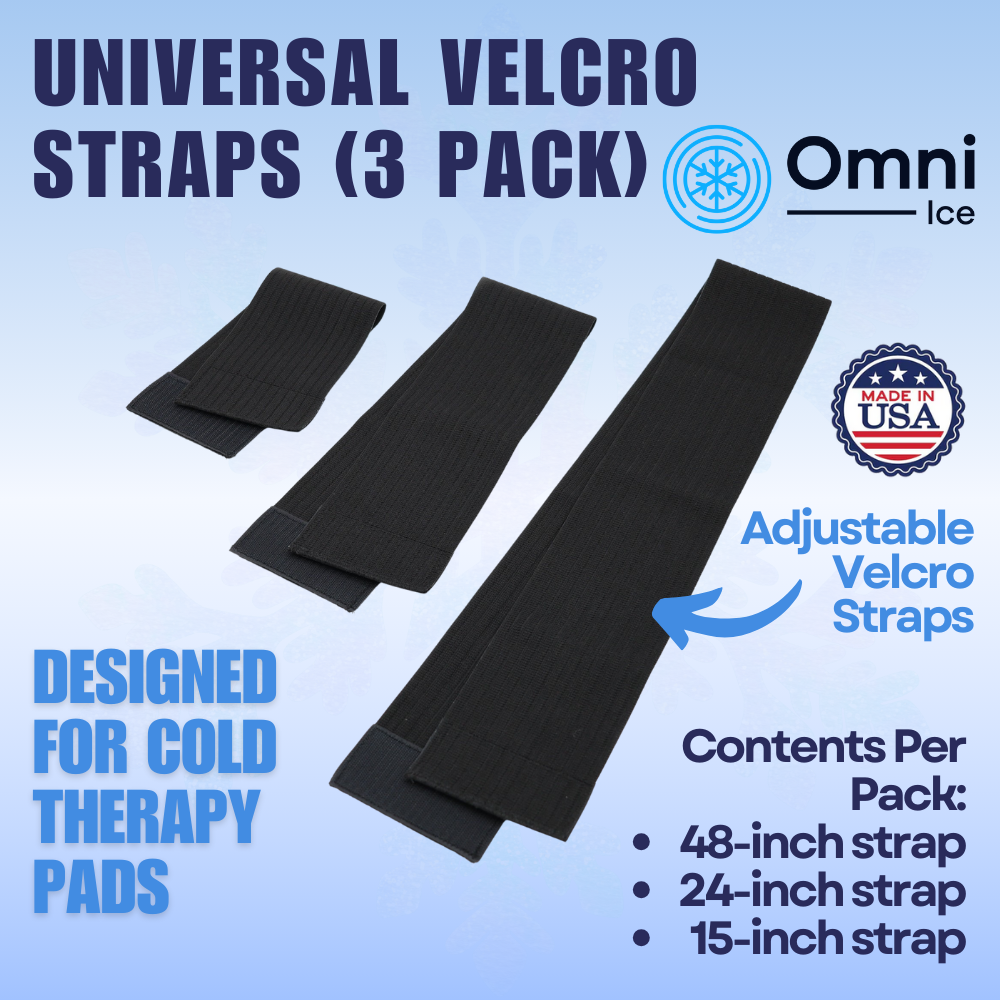
- Accessories — straps, liners, and carriers to ensure safe application
When to see a healthcare provider
Seek professional care if you experience:
- Severe pain or swelling that doesn’t improve with ice and rest
- Obvious deformity, inability to bear weight, or loss of function
- Signs of infection (redness, warmth, fever) after an injury or surgery
Your clinician can provide a diagnosis, imaging if needed, and a customized plan including appropriate cold or compression therapy for your recovery.
Why choose MyColdTherapy for your recovery
MyColdTherapy.com offers best-in-class orthopedic products at an affordable price with fast, reliable shipping and a US-based sales and customer service team that understands your needs. Based in Charlotte, North Carolina, we bring nearly 30 years of orthopedic industry experience to help you find the right solutions for your injury or post-op care. Learn more about our company on our About Us page, or review common questions in our FAQ.
We prioritize quality and value — offering name-brand cold therapy machines and accessories with same & next-day shipping. See our full catalog on the Products page and read more about post-surgical recovery solutions at our Post-Op Recovery resource.
Have questions? Talk with an expert
If you’re unsure how long or how to ice your specific injury, our cold therapy consultants can help you pick the right product and protocol. Talk to a cold therapy consultant at 704-953-2545 or contact us online. Learn more or place your next order and take the guesswork out of recovery with trusted products and expert support.
Disclaimer: This article provides general information and is not a substitute for professional medical advice. Always follow the guidance of your healthcare provider for individualized care.