


Managing Post-Exercise Swelling in Physical Therapy
Post-exercise swelling is a common complaint among athletes and rehabilitation patients alike. While a certain amount of swelling is a normal inflammatory response to tissue loading, persistent or excessive swelling can delay progress in physical therapy, limit range of motion, and increase discomfort. Understanding practical, evidence-based strategies to manage post-exercise swelling helps patients recover faster and return to activity safely.
Why swelling happens after exercise
Swelling (edema) after exercise occurs when fluid and inflammatory cells accumulate in the injured or stressed tissue. This process is part of the body’s healing response, but when it becomes excessive or prolonged it can inhibit mobility, increase pain and slow rehabilitation. Common contributors include overuse, inadequate warm-up/cool-down, poor lymphatic drainage, and insufficient recovery between sessions.
Key strategies for managing post-exercise swelling
Physical therapists combine several approaches to control swelling while optimizing recovery. The most effective plans are individualized and may include:
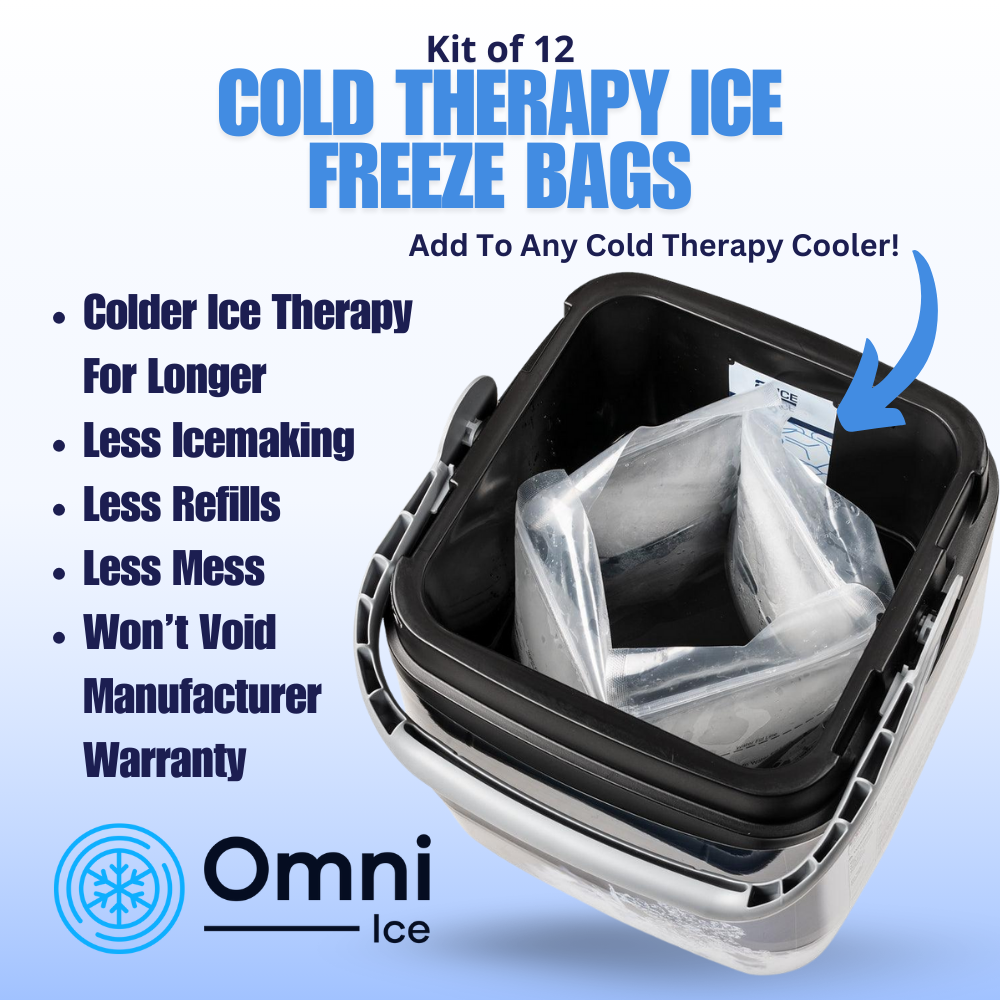
- Timely cold therapy: Applying cold soon after activity reduces blood flow and metabolic demand in the injured area, which can limit swelling and pain. For consistent results consider a targeted device such as a cold therapy machine or a reusable ice wrap from a trusted supplier.
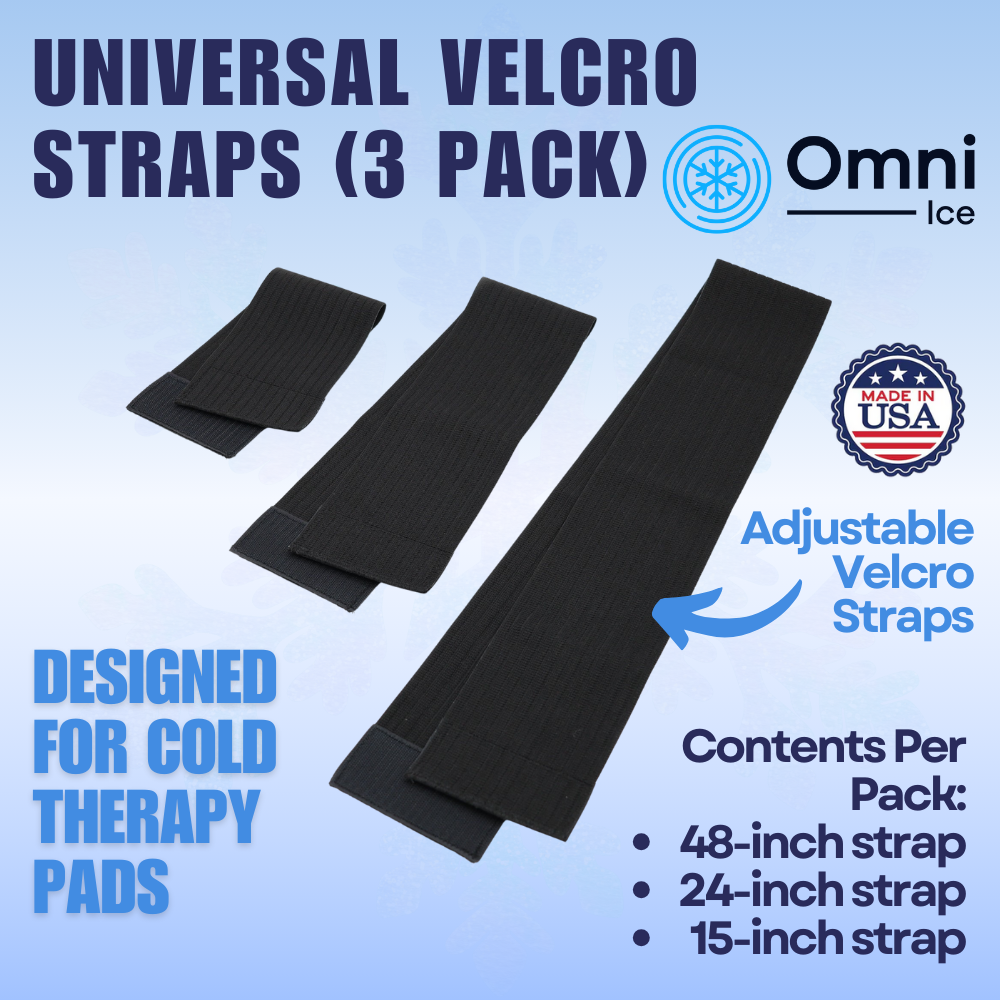
- Compression: Graduated compression improves venous return and helps reduce fluid buildup. Compression sleeves or wraps are useful after exercise and during the early recovery phase. See options at our compression sleeves page.
- Elevation: Elevating the limb above heart level when possible helps gravity-assisted drainage and reduces swelling.
- Active recovery and gentle mobilization: Light movement and controlled range-of-motion exercises promote lymphatic flow, prevent stiffness and support tissue healing under the guidance of your physical therapist.
- Pacing and load management: Reducing intensity or frequency of sessions until swelling subsides prevents repetition of the inflammatory cycle and protects tissue repair.
- Education and home programs: Adhering to a therapist-prescribed program for icing, compression, and therapeutic exercise is essential for consistent improvements.
How to use cold therapy effectively
Cold therapy is a cornerstone of post-exercise swelling management. Best practices include:
- Apply cold within the first 24–48 hours after the activity that caused swelling when inflammation is most active.
- Aim for 10–20 minutes per session, with breaks between applications to avoid skin or nerve injury. Consult your clinician for individualized timing.
- Use consistent, controlled cooling with a high-quality device. Continuous-flow cold therapy systems and well-designed ice wraps provide predictable temperatures and better coverage than loose ice packs. Browse reliable solutions on our post-op and recovery pages.
- Avoid direct skin freezing—use a barrier like a thin cloth if using traditional ice packs and follow device manufacturer instructions.
When to consider contrast therapy and other modalities
Contrast therapy (alternating cold and heat) can be helpful in selected cases to stimulate circulation and reduce stiffness once the acute inflammatory phase has passed. Physical therapists may also incorporate manual lymphatic drainage, ultrasound, or electrical stimulation depending on the injury and patient goals.
If you’re exploring modality options, check our resources and product selection to find equipment that complements your clinic or home program: cold therapy accessories and post-exercise recovery tips.
Practical tips for patients
- Monitor swelling trends: track measurements, photos, and symptoms so your therapist can adjust treatment.
- Follow a structured cool-down and include gentle ROM drills after intense sessions.
- Wear supportive compression during and after activity when recommended.
- Stay well-hydrated and prioritize sleep and nutrition to support healing.
- Contact your therapist if swelling persists, worsens, or is accompanied by numbness, severe pain or discoloration—these can be signs that require medical attention.
Why the right products matter
Choosing the appropriate cold therapy and compression products can make a measurable difference in outcomes. At MyColdTherapy.com we focus on high-quality orthopedic solutions selected for performance and value. With nearly 30 years of orthopedic industry experience and a US-based sales and customer service team, we help patients and clinics find equipment that supports recovery.
Benefits of using quality cold therapy systems include:
- Consistent temperature control for safer, more effective icing
- Better coverage and fit for the injured area
- Durability and ease of cleaning in clinic settings
Explore our product lines to find the right fit for your recovery needs: cold therapy machines, accessories, and about our company to learn more about our selection process and shipping options.
When to see a medical professional
Most post-exercise swelling responds to conservative measures, but seek prompt evaluation if you experience:
- Rapidly increasing swelling or pain
- Signs of infection (redness, warmth, fever)
- Numbness, loss of function, or suspected deep vein thrombosis
Your physical therapist will collaborate with your medical team to determine the safest, most effective plan for recovery.
Need help choosing the right cold therapy solution?
At MyColdTherapy.com we offer best-in-class orthopedic products at affordable prices with fast, reliable shipping. Our commitment to your health and recovery means offering high-quality name brand cold therapy machines and accessories at the best prices found online, often with same- and next-day shipping. Talk to a cold therapy consultant at 704-953-2545 for personalized recommendations—or visit our contact page to learn more.
Whether you’re a patient working through rehabilitation or a clinic outfitting a practice, the right combination of cold therapy, compression and therapeutic exercise can significantly reduce post-exercise swelling and speed return to activity. Contact MyColdTherapy today to find the products and guidance that fit your recovery plan.