


Cold Therapy Protocols for Physical Therapists
Cold therapy is a cornerstone of post-injury and post-operative care. For physical therapists, applying evidence-based cold therapy protocols can reduce pain, control swelling, and speed recovery when combined with appropriate rehabilitation. This article outlines practical, clinician-friendly cold therapy protocols, device recommendations, and safety tips you can implement immediately in outpatient and post-operative settings.
Why cold therapy matters in physical therapy
Cold therapy (cryotherapy) decreases tissue temperature to limit inflammation, reduce metabolic demand, and blunt pain signals. When used correctly, cold therapy:
- Reduces edema and bleeding in acute stages
- Improves patient comfort and early mobilization
- Complements manual therapy and exercise-based interventions
- Supports efficient post-operative recovery
To standardize outcomes, physical therapists should follow protocols tailored to injury stage, anatomical location, and the equipment used. Consider integrating continuous cold therapy devices for longer, controlled cooling, and ice compression systems for combined effects.
General cold therapy guidelines for clinicians
These recommendations provide a practical framework. Adjust based on patient response, comorbidities (e.g., Raynaud’s, cold hypersensitivity), and surgeon-specific orders.
- Acute phase (0–72 hours): Apply cold as soon as possible. Use cycles of 15–20 minutes every 1–2 hours while awake. For post-operative patients, consider continuous cold therapy for extended periods as directed.
- Subacute phase (3–14 days): Reduce frequency to 2–4 times daily. Combine cold therapy with gentle ROM and light loading as tolerated.
- Chronic or persistent pain: Use targeted cold for shorter intervals (10–15 minutes) before or after exercise to manage pain without impairing tissue healing.
- Compression + cold: Use ice compression systems to both lower tissue temperature and mechanically reduce swelling, often improving comfort and mobility.
Device selection and best practices
Choosing the right device helps deliver consistent results. Consider these options:
- Continuous cold therapy machines — ideal for post-operative patients who benefit from controlled, sustained cooling.
- Ice compression systems — combine adjustable compression with cold for enhanced edema control.
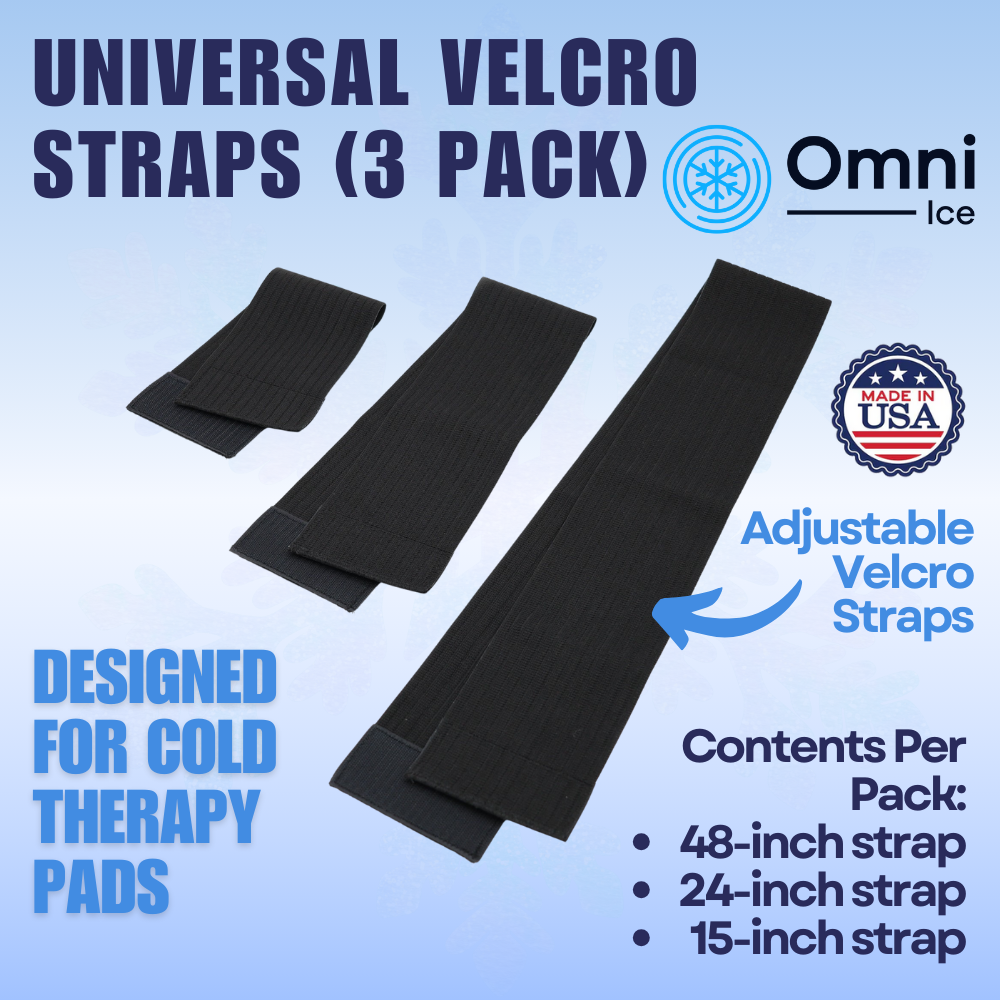
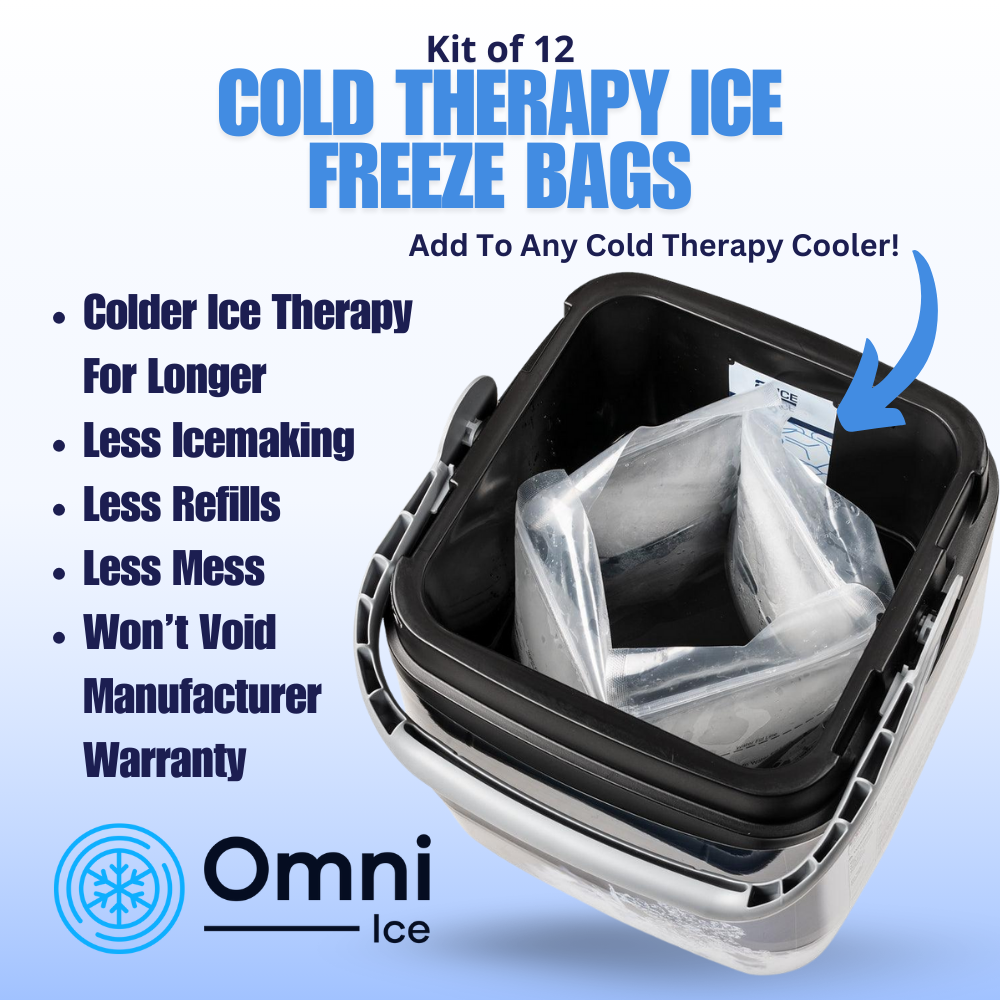
- Accessories — reusable wraps, reservoirs, and padding to optimize fit and comfort.
When integrating devices into your practice:
- Train staff on device setup, temperature settings, and infection control.
- Use appropriate padding to prevent skin injury and monitor skin integrity routinely.
- Document start/stop times, tolerance, and clinical response in the patient record.
Sample protocols for common conditions
Below are clinician-friendly protocols you can adapt based on clinical judgment and surgeon preferences.
- ACL reconstruction (post-op days 0–7): Continuous cold therapy for 2–4 hours post-op, then 30–60 minute sessions 3–6 times daily. Use compression to control swelling and encourage early ROM as allowed by the surgical team. Consider device solutions listed on our post-operative care page.
- Rotator cuff repair (early rehab): 20-minute cold sessions every 2 hours while awake for first 72 hours. Use positioning to protect the repair and follow surgeon protocols for immobilization.
- Ankle sprain (acute phase): 15–20 minutes every 1–2 hours with compression during the first 48–72 hours, progressing to active mobilization as swelling resolves.
Safety considerations and contraindications
Cold therapy is safe for most patients but requires caution:
- Contraindications: cold intolerance, cryoglobulinemia, cold urticaria, severe peripheral vascular disease, or impaired sensation.
- Skin monitoring: check for blanching, mottling, or prolonged numbness. Discontinue if suspected tissue compromise.
- Documentation: record adverse responses and notify the surgical team or physician if issues arise.
Clinical integration and patient education
To maximize adherence and outcomes, educate patients on technique, rationale, and red flags. Provide clear written instructions and device demonstrations. Encourage patients to contact your clinic or a knowledgeable vendor if they experience difficulty setting up home devices.
MyColdTherapy.com stocks a range of clinician-preferred devices and accessories selected for quality and value. With nearly 30 years of orthopedic industry experience, our US-based sales and customer service team can help you select the right solution for your patients. Learn more about our product selection on our Cold Therapy Protocols resource page and see how same & next day shipping can streamline your clinic supplies by visiting shipping information.
Getting support
If you have clinical questions or want product recommendations, talk to a cold therapy consultant at 704-953-2545. Our Charlotte, North Carolina team understands the orthopedic surgery process and can help you find the right cold therapy machine or ice compression system for practice and patient needs. For company details or to place an order, visit our About Us or Contact pages.
Conclusion
Cold therapy remains an essential, low-risk tool when incorporated into evidence-based protocols. For physical therapists, applying standardized cold therapy guidelines, using appropriate devices, and educating patients can improve pain control, reduce swelling, and support faster functional recovery. Rely on quality products, clear protocols, and timely support to deliver the best outcomes—MyColdTherapy.com is ready to assist your clinic with vetted devices, accessories, and expert guidance.