


The Role of Cold Therapy After Rotator Cuff Surgery
Cold therapy is a cornerstone of postoperative care following rotator cuff surgery. Properly applied, it reduces pain, controls swelling, and can speed functional recovery — all of which help patients participate in physical therapy sooner and more comfortably. This article explains how cold therapy works, how to use it safely after rotator cuff repair, and how to choose the right equipment to support recovery.
Why cold therapy matters after rotator cuff repair
Rotator cuff surgery involves repair of tendons and sometimes surrounding tissue. The body’s inflammatory response after surgery causes pain, swelling, and stiffness. Cold therapy (cryotherapy) helps by:
- Reducing local blood flow and inflammation
- Slowing nerve conduction to reduce pain
- Minimizing postoperative swelling and bruising
- Limiting muscle spasm around the shoulder
- Improving tolerance for early mobilization and rehabilitation
Clinical and anecdotal experience from orthopedic teams show that consistent, controlled cold application in the immediate postoperative period contributes to better pain control and less reliance on opioid medications.
Types of cold therapy and what surgeons recommend
Options range from ice packs and gel packs to continuous cold therapy machines. For rotator cuff surgery, many surgeons prefer systems that provide controlled cold and gentle compression because they maintain consistent temperature and coverage over the shoulder.
- Gel/ice packs: Inexpensive and accessible, but temperatures vary and require frequent re-freezing.
- Cold therapy machines: Deliver continuous cold and often include wrap systems designed for the shoulder for even coverage and gentle compression.
- Shoulder-specific wraps: Contour to the anatomy, improving contact and comfort during therapy sessions.
If you’re considering a device, explore our selection of cold therapy machines and shoulder cold therapy systems that are frequently recommended for post-op shoulder care.
How and when to use cold therapy after surgery
Follow your surgeon’s instructions, but common guidelines include:
- Begin cold therapy as soon as it’s safe and recommended by your surgeon — often immediately after surgery or the first day post-op.
- Apply cold in sessions of 15–30 minutes every 1–2 hours while awake for the first 48–72 hours, then reduce frequency as swelling and pain subside.
- Use a barrier (cloth or sleeve) between the skin and cold source to prevent frostbite or skin injury.
- Prefer controlled cold systems overnight only if approved by your surgeon, as prolonged immobility can increase stiffness.
Always check the surgical wound dressing and incision area regularly for signs of skin irritation or compromised circulation. If you notice increased redness, numbness, excessive pain, or drainage, contact your surgeon promptly.
Best practices and precautions
- Consult your surgeon about duration and frequency of therapy — individual protocols vary with surgical technique and patient health.
- Avoid applying ice directly to skin; use recommended wraps or covers.
- Be cautious if you have circulatory problems, diabetes, or neuropathy — discuss cold therapy safety with your healthcare provider.
- Keep devices clean and follow manufacturer instructions for maintenance and hygiene.
Choosing quality cold therapy equipment
When selecting a cold therapy solution, look for reliability, proven performance, and shoulder-specific design. MyColdTherapy.com specializes in orthopedic cold therapy products chosen for quality and value. Consider:
- Continuous cold machines with adjustable temperature control for consistent therapy.
- Ergonomic shoulder wraps that ensure even coverage and comfort.
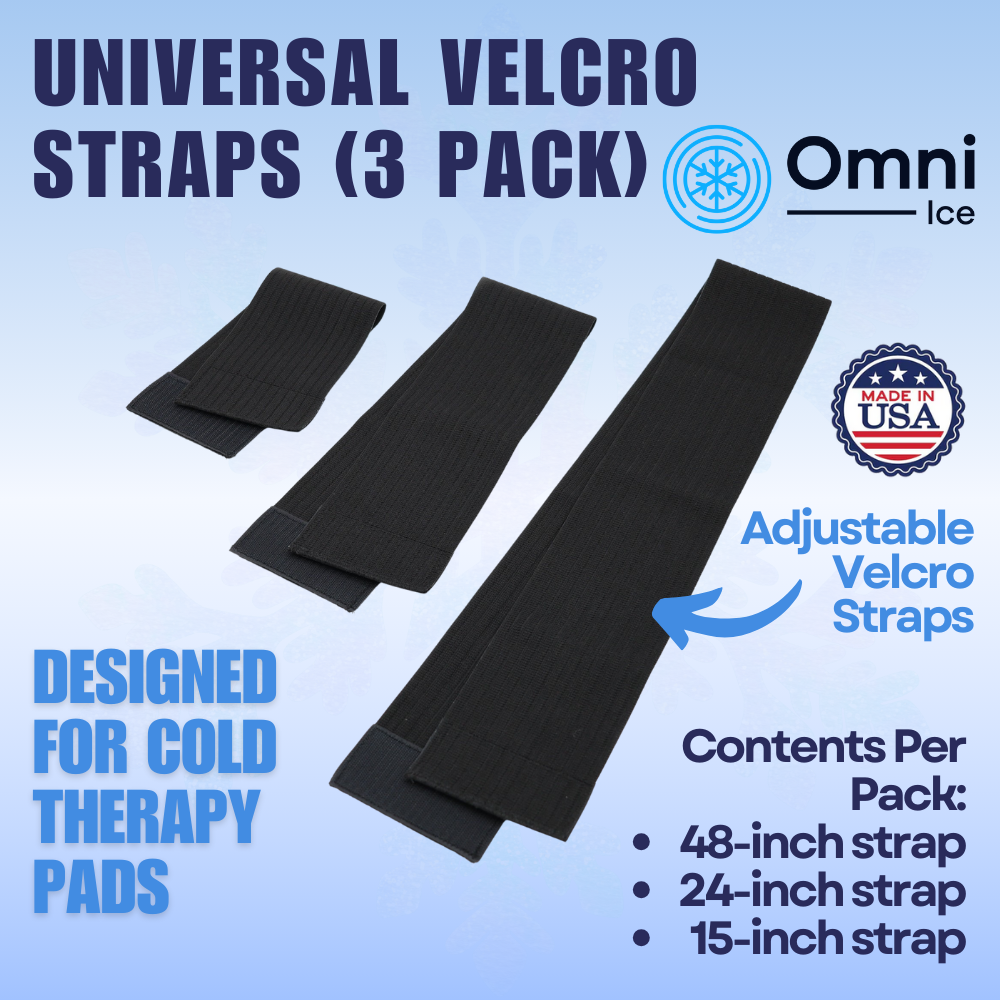
- Available accessories like extra wraps, tubing, and replacement seals to keep your system functioning.
Browse our product categories to find the best fit for your recovery: cold therapy accessories, shoulder wraps, and a wide range of machines. If you have questions about which system suits your needs, our team is here to help — see our support or contact pages.
Integrating cold therapy into rehabilitation
Cold therapy is most effective when combined with prescribed shoulder mobilization and strengthening exercises. Use cold before therapy sessions to reduce pain and muscle guarding, and consider brief cold application after therapy to limit inflammation. Communicate with your physical therapist about timing and preferences to maximize benefit.
Why choose MyColdTherapy for your recovery
MyColdTherapy.com is based in Charlotte, North Carolina, with nearly 30 years of orthopedic industry experience. Our mission is to offer best-in-class orthopedic products at affordable prices with fast, reliable shipping and knowledgeable US-based customer service. We’re committed to helping patients find the right cold therapy device to support recovery after rotator cuff surgery.
Key benefits of shopping with us:
- High-quality name-brand cold therapy machines and accessories
- Same- and next-day shipping options — learn about our shipping policies
- US-based sales and customer support that understands orthopedic recovery
- Easy access to product guidance and purchasing support via our about and FAQ pages
For personalized recommendations, talk to a cold therapy consultant at 704-953-2545. Our team can help you choose the right equipment and accessories to support a safe, comfortable recovery after rotator cuff surgery.
Disclaimer: This article is intended for informational purposes only and does not replace medical advice. Always follow your surgeon’s postoperative instructions and consult your healthcare provider with any questions about your recovery plan.