


Can Cold Therapy Replace Anti-Inflammatory Medications?
Cold therapy (also called cryotherapy) is a widely used, non-pharmaceutical approach to reduce pain and swelling after injuries and orthopedic surgery. As more patients look for drug-free alternatives, a common question arises: can cold therapy replace anti-inflammatory medications like NSAIDs? The short answer: sometimes — but not always. Understanding when cold therapy is an effective substitute, when medications are necessary, and how to combine both approaches will help you recover safely and effectively.
How cold therapy works vs. anti-inflammatory medications
Cold therapy reduces tissue temperature, which constricts blood vessels, slows metabolic activity, and decreases nerve conduction. The result is less swelling, reduced pain signals, and diminished inflammation in the treated area. Anti-inflammatory medications (NSAIDs and certain prescription drugs) work systemically to block biochemical pathways that produce inflammatory mediators.
- Cold therapy: local, non-invasive, immediate reduction in swelling and pain.
- NSAIDs: systemic, reduce chemical inflammation throughout the body, effective for chronic or deep inflammation.
Both approaches have valid roles in recovery. For many localized, acute injuries and post-operative swelling, cold therapy can provide substantial relief and sometimes reduce the need for high-dose pain medications.
When cold therapy may replace anti-inflammatory medications
Cold therapy can be an effective alternative to medications in specific situations:
- Acute, localized swelling and pain: Immediately after sprains, strains, or orthopedic surgery, targeted cold therapy (ice packs or circulating cold therapy machines) often controls swelling and pain effectively.
- Patients who cannot take NSAIDs: Those with gastric ulcers, kidney disease, or blood-thinning therapy may need non-pharmacologic options; cold therapy is a safe choice for many of these patients (with medical approval).
- Mild to moderate post-operative pain: Some patients find cold therapy reduces pain enough to avoid or minimize short-term use of anti-inflammatories.
- Desire to reduce systemic drug exposure: People preferring drug-free management may rely on frequent, properly applied cold treatments.
MyColdTherapy.com offers a range of targeted products—from cold therapy machines to reusable ice packs—designed for post-op and sport-related recovery.
When anti-inflammatory medications are still necessary
There are clear limits to what cold therapy can do. You should not expect cryotherapy to replace medications in these scenarios:
- Systemic inflammation: Conditions like rheumatoid arthritis, gout, or widespread inflammatory disease usually require systemic medication to control immune-driven inflammation.
- Deep or chronic inflammation: Deep tissue or chronic inflammatory states often need prescription anti-inflammatories or disease-modifying therapy.
- Infections or fever: Cold therapy will not treat infections; appropriate medical treatment is essential.
- Severe post-op pain: In the immediate post-operative period some patients will still need short-term analgesics or anti-inflammatories under physician guidance.
Best practices for combining cold therapy and medications
In many recovery plans, cold therapy and medications work best together. Tips to combine them safely and effectively:
- Follow your surgeon or physician’s instructions about medication timing and cold therapy use.
- Use cold therapy early and often after an injury or surgery—typically 15–20 minutes every 1–2 hours initially—but check specific device instructions and medical advice.
- Consider cold therapy to lower medication doses when medically appropriate, but only under supervision from a healthcare provider.
- Monitor for side effects from both approaches; for example, prolonged numbness or skin damage from excessive cold, or GI and kidney effects from NSAIDs.
Safety considerations and contraindications
Cold therapy is generally safe, but certain conditions require caution or avoidance:
- Circulatory or vascular disorders (e.g., severe peripheral vascular disease, Raynaud’s phenomenon)
- Sensory impairments where the patient cannot feel cold or pain
- Open wounds or skin conditions without medical approval
- Certain cardiac conditions — consult your physician
Always consult your care team before stopping prescribed medications. If you're unsure which approach is right, discuss options with your surgeon, primary care physician, or a cold therapy specialist.
Choosing the right cold therapy products
Quality matters when you rely on cold therapy for recovery. MyColdTherapy.com selects products based on reliability, effectiveness, and value. Popular options include:
- Circulating cold therapy units for continuous, controlled cooling after surgery
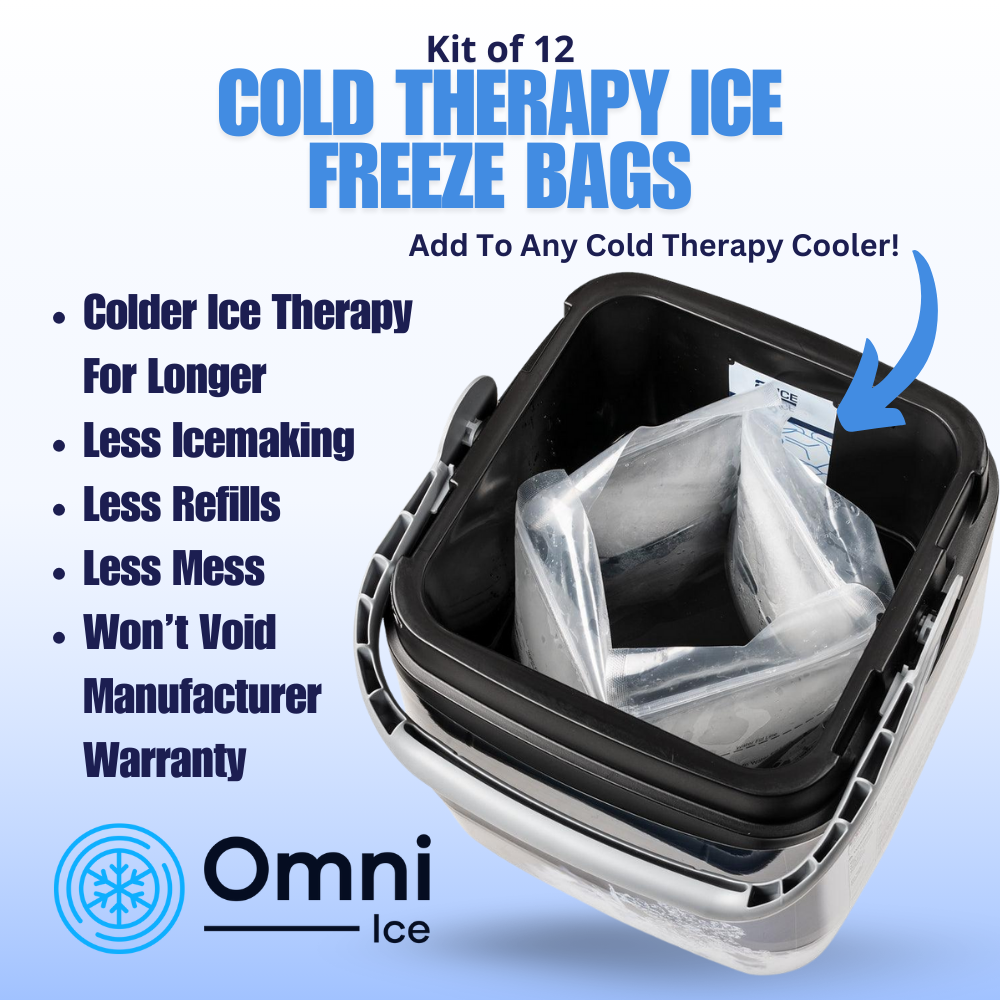
- Reusable gel packs for home use and sports injuries
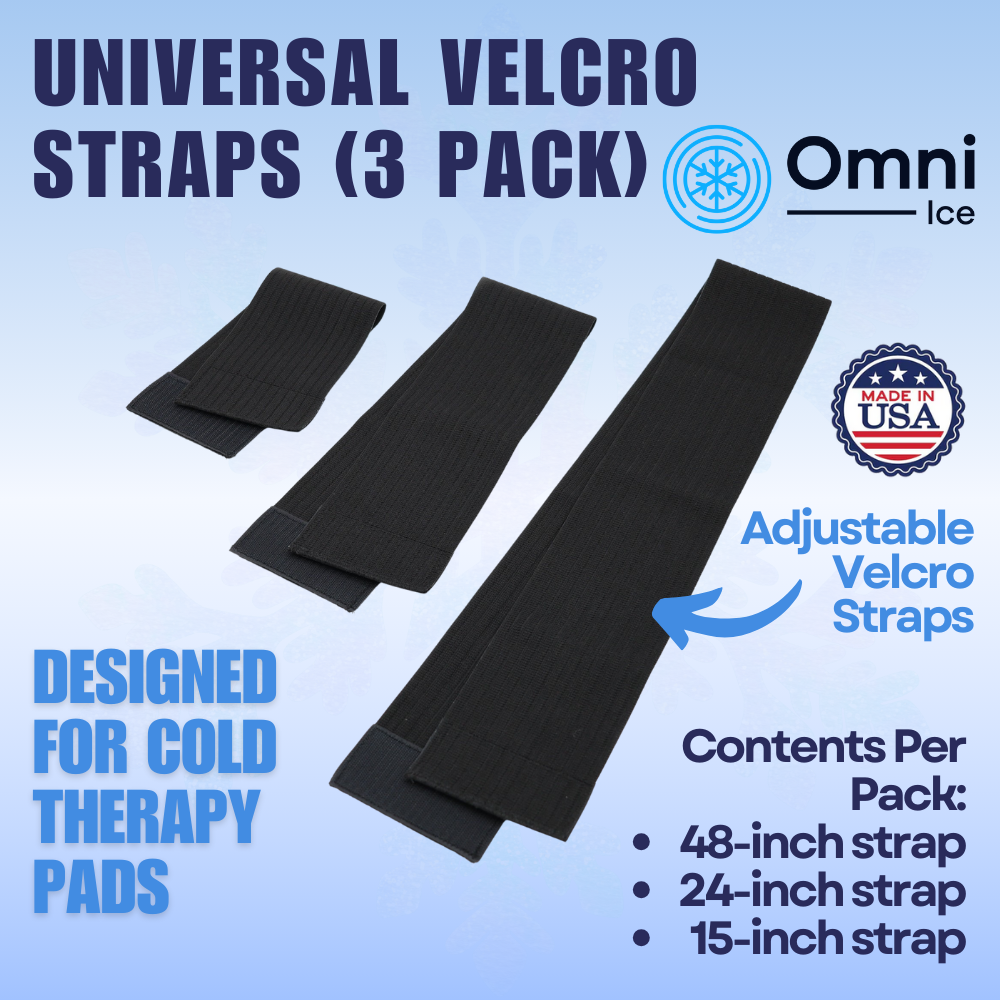
- Replacement pads and accessories to ensure a hygienic, comfortable fit
Our US-based sales and customer service team understands orthopedic recovery and can help you select the right device. Learn more about post-op recovery and product options on our site.
Make an informed choice for your recovery
Cold therapy is a powerful, drug-free tool that can reduce pain and swelling and sometimes reduce reliance on anti-inflammatory medications—especially for acute, localized conditions. However, it is not a universal replacement for systemic medications needed to manage deep, chronic, or immune-driven inflammation. The safest approach is individualized: consult your clinician, consider combining therapies when appropriate, and use high-quality cold therapy devices for best results.
If you have questions or want personalized guidance, talk to a cold therapy consultant at 704-953-2545. Based in Charlotte, North Carolina, MyColdTherapy has nearly 30 years of orthopedic industry experience—offering top-name cold therapy machines and accessories with same & next-day shipping. Visit our About page to learn more or contact us for help choosing the right product.