


How to Treat Tendonitis with Cold Compression
Tendonitis — inflammation of a tendon — is a common cause of pain around the shoulder, elbow, wrist, knee or ankle. Cold compression therapy (also called cryotherapy or cold therapy) is a highly effective, non-invasive way to reduce pain and swelling, speed recovery, and support return to activity. This guide explains how to treat tendonitis with cold compression, when to use it, and how to choose the right products for safe, consistent relief.
Why cold compression helps tendonitis
Cold compression combines two healing actions:
- Cold (cryotherapy) reduces blood flow to the injured area, decreasing pain and swelling by numbing nerve endings and limiting inflammation.
- Compression helps control swelling and supports the soft tissue, improving comfort and reducing further irritation during movement.
Used together, cold and compression are more effective than ice alone because they keep the treatment in place, maintain even temperatures, and allow longer, controlled sessions without the risks of skin damage from direct ice contact.
When to use cold compression for tendonitis
- Within the first 48–72 hours after symptoms begin to rapidly reduce initial swelling and pain.
- After activity that aggravates your tendonitis — for example, after a run, a long shift at the computer, or an exercise session.
- For periodic symptom management during the subacute phase (weeks to months) to reduce flare-ups and maintain function.
Note: If your condition is chronic and primarily stiffness rather than swelling, alternating cold with heat under guidance from a clinician may be recommended.
How to apply cold compression safely and effectively
- Choose an appropriately sized cold compression wrap or unit for the affected joint (knee, elbow, ankle, shoulder, etc.). See our selection of cold therapy machines and targeted knee cuffs, elbow cuffs, and ankle cuffs.
- Follow manufacturer instructions for cooling and connection — many units use circulating cold water to maintain consistent temperatures safely.
- Apply for 15–20 minutes per session initially. Repeat every 2–3 hours as needed during the first 48 hours, then adjust based on symptom improvement.
- Use light compression — snug but not constricting — to avoid restricting circulation.
- Inspect skin before and after use. Discontinue if you notice excessive redness, numbness, or skin changes and consult a healthcare professional.
Practical tips for best results
- Consistent frequency matters more than longer single sessions — shorter, repeated treatments help control inflammation without damaging tissue.
- Combine cold compression with gentle rest and gradual, guided stretching/strengthening exercises from a physical therapist.
- Keep a treatment log (time, duration, symptoms) to track what helps and share it with your clinician.
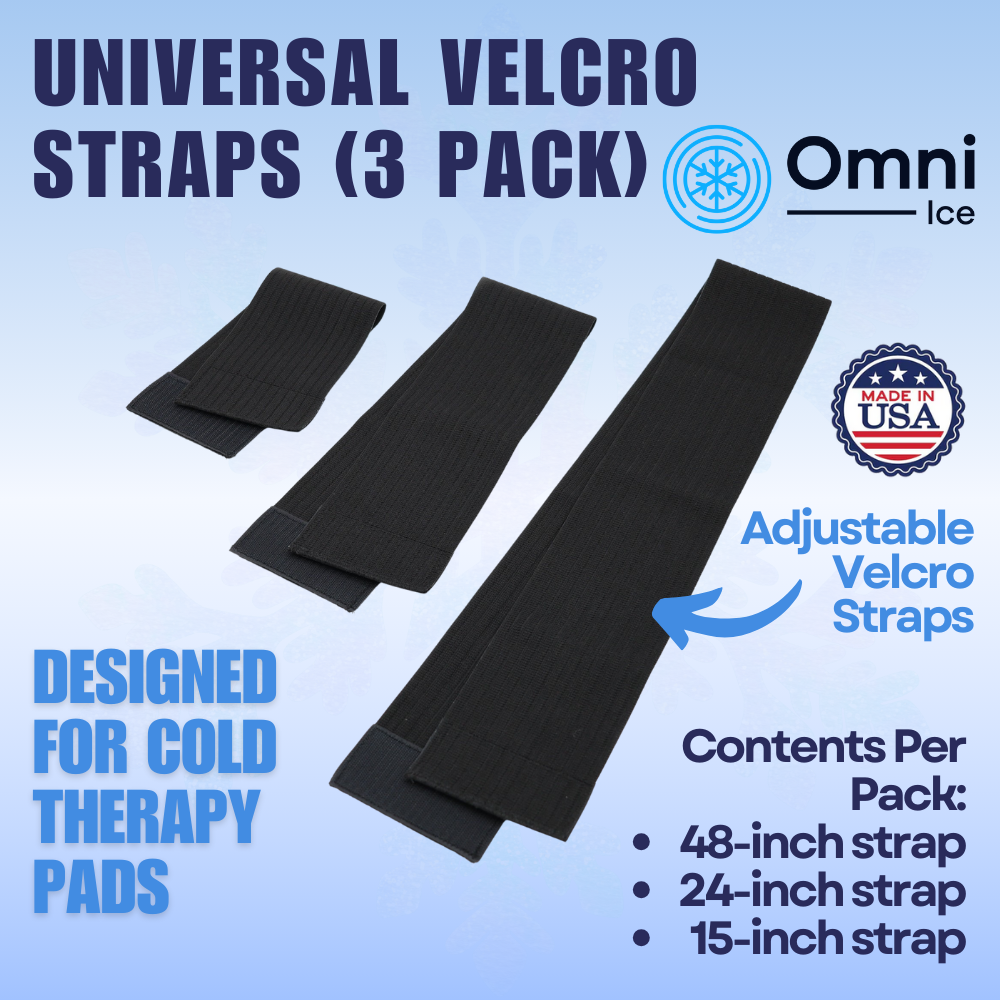
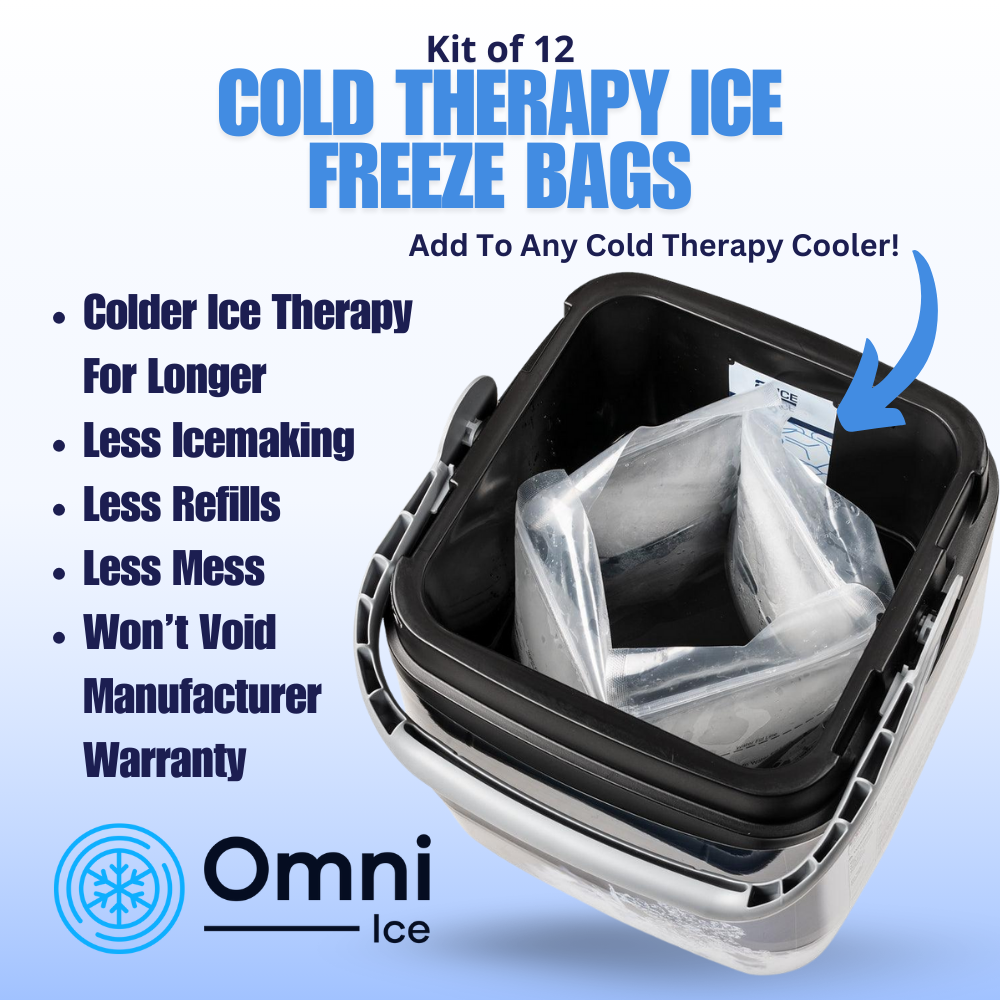
- Use quality accessories designed for therapy longevity — browse our cold therapy accessories and replacement parts for reliable fit and hygiene.
When not to use cold compression
Avoid cold compression if you have:
- Circulatory problems (like severe peripheral vascular disease) or reduced sensation in the area.
- Open wounds or skin infections over the treatment site.
- Known cold sensitivity conditions (e.g., Raynaud’s phenomenon).
If you’re unsure, consult your physician or physical therapist. Our FAQ and customer support team can also help you choose a safe option.
Choosing the right cold compression product
Not all cold treatments are created equal. For tendonitis, consider:
- Continuous circulating units for consistent temperature control.
- Targeted cuffs or wraps that conform to the joint for better coverage and compression.
- Durable, washable materials for hygiene and long-term use.
MyColdTherapy.com selects name-brand cold therapy machines and accessories tested for quality and value. Whether you need a compact unit for home recovery or targeted wraps for sports use, our team can recommend the right product for your tendonitis. Learn more about our product lineup on the products page.
Integrating cold compression into a recovery plan
Cold compression is a highly effective component of a broader tendonitis recovery plan that may include:
- Activity modification to avoid repetitive stress
- Targeted physical therapy for flexibility and strengthening
- Anti-inflammatory medications as directed by your physician
- Gradual return-to-activity protocols to prevent re-injury
If you're preparing for post-op recovery or managing tendonitis after surgery, our team has experience helping patients select the right equipment — see our post-op recovery resources for guidance.
Why choose MyColdTherapy for tendonitis treatment
MyColdTherapy.com offers best-in-class orthopedic products at affordable prices with fast, reliable shipping and a US-based sales and customer service team that understands your needs. Based in Charlotte, North Carolina, we bring nearly 30 years of orthopedic industry experience to help you find the right solution. Our commitment is to deliver high-quality cold therapy machines and accessories with same & next day shipping and personalized support. Learn more about us.
Have questions about treating tendonitis with cold compression or which product is best for your joint? Talk to a cold therapy consultant at 704-953-2545. Contact us today to learn more and place your order: MyColdTherapy.com Contact.
Remember: cold compression is a powerful tool when used correctly. Combine it with professional guidance and a structured recovery plan to get back to the activities you love with less pain and faster healing.