


Reducing Bruising and Pain After Orthopedic Procedures
Bruising and pain are common after orthopedic procedures, but with the right strategies you can significantly speed recovery and improve comfort. Combining evidence-based at-home care with professional cold therapy systems can reduce inflammation, limit hematoma formation, and help you return to daily activities sooner. Below are practical steps, tips, and product recommendations to minimize bruising and pain after surgery.
Why bruising and pain occur after orthopedic surgery
Orthopedic procedures involve tissue manipulation, small blood vessel disruption, and an inflammatory healing response. Bruising (ecchymosis) results from blood leaking into soft tissues; pain arises from nerve irritation and swelling. Controlling swelling and protecting the surgical site early can reduce both bruise size and postoperative pain.
Immediate steps after surgery
Follow your surgeon’s instructions first, then add these measures for extra protection:
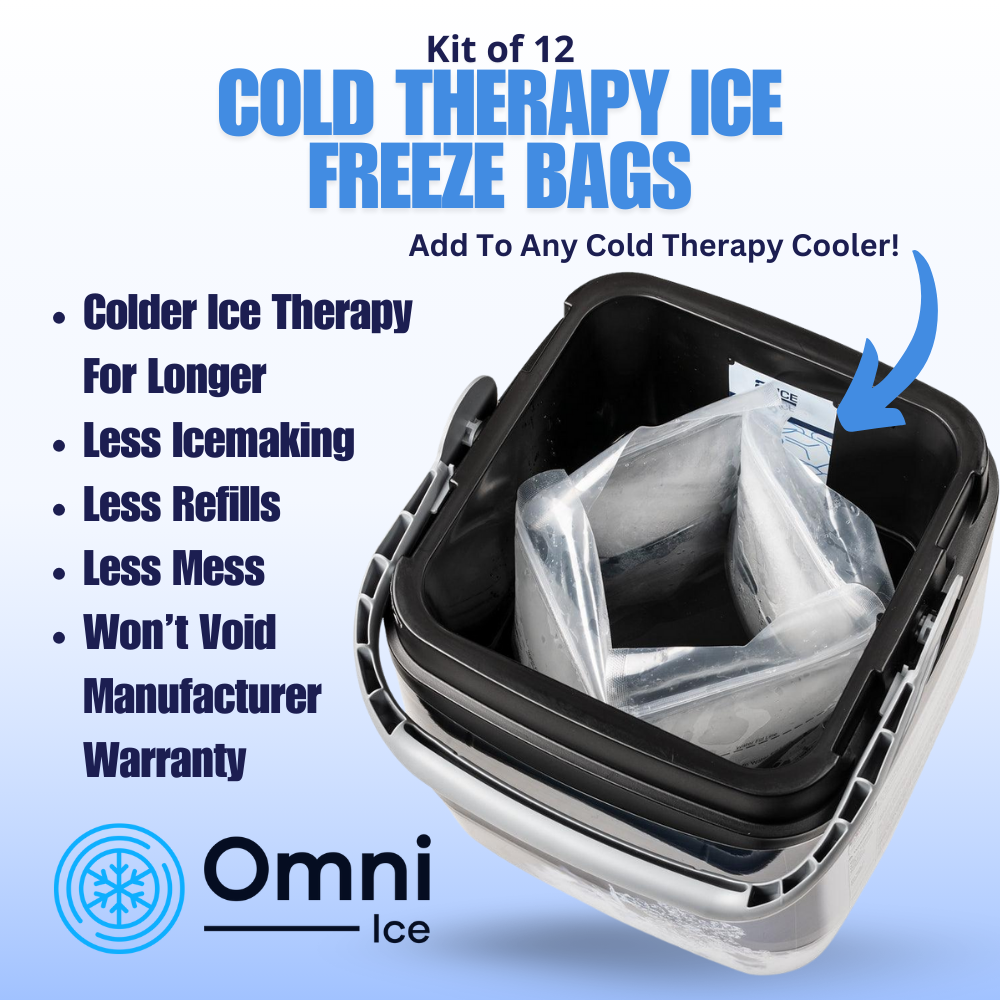
- Cold therapy: Begin cold therapy as soon as your surgeon allows. Continuous or periodic cold applied to the surgical area reduces local blood flow and inflammation, decreasing bruise formation and pain. Consider medical-grade devices that deliver controlled cold for optimal results — learn about our selection of cold therapy machines.
- Elevation: Keep the limb elevated above heart level as often as possible for the first 48–72 hours to reduce swelling and bruising.
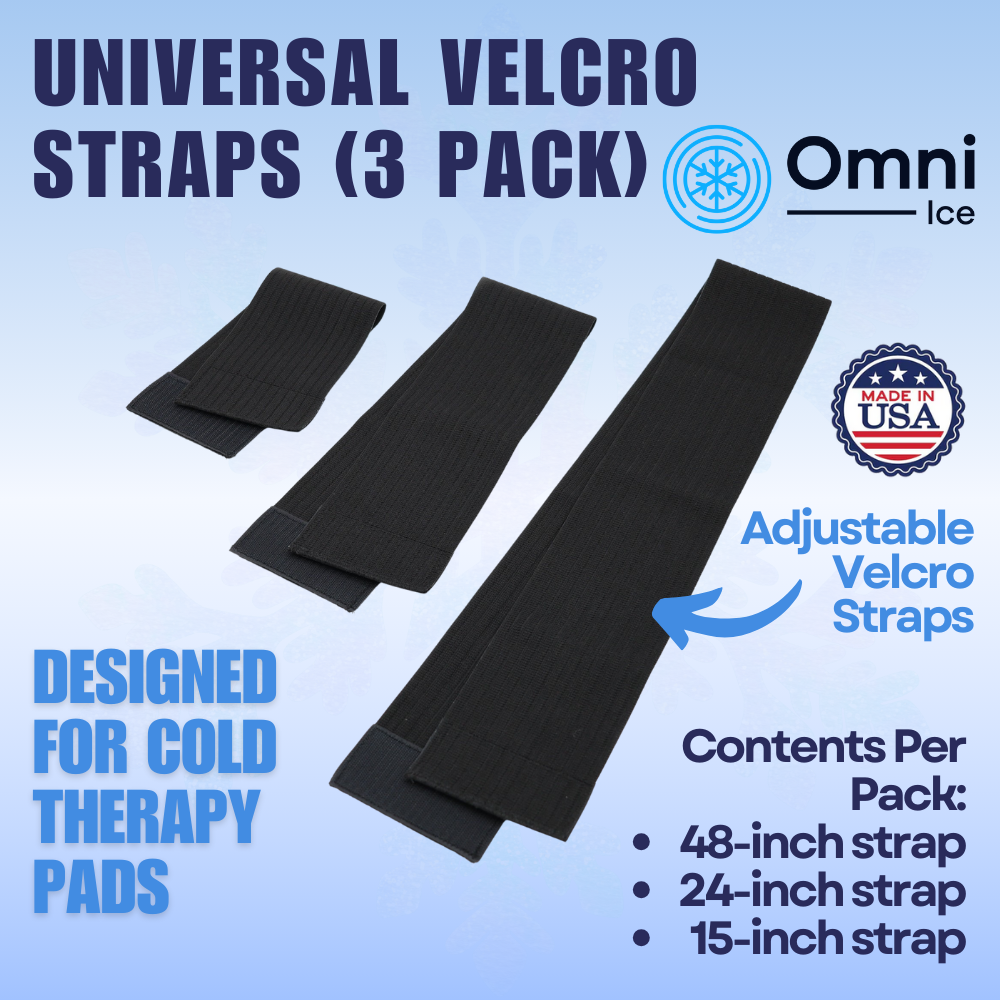
- Compression: Use gentle compression to limit bleeding into tissues. Compression garments or wraps should be used according to surgical guidance.
- Avoid unnecessary blood thinners: Discuss with your surgeon and primary care provider any medications or supplements that increase bleeding risk (aspirin, NSAIDs, fish oil, certain herbal supplements).
How cold therapy helps
Cold therapy is one of the most effective non-pharmacologic approaches to manage post-operative swelling, bruising, and pain. Medical-grade cold therapy systems offer several advantages over ice packs:
- Consistent, regulated temperature control that reduces the risk of frostbite or inadequate cooling.
- Custom-fit wraps that provide targeted coverage for knees, hips, shoulders, and more — see our knee cold therapy systems and hip & shoulder options.
- Hands-free operation so you can rest and recover comfortably.
For many procedures, applying cold for 20–30 minutes every 1–2 hours during the first 48–72 hours is effective. Follow device instructions and consult your surgeon for personalized timing.
Additional measures to limit bruising and promote healing
- Gentle mobility: Follow prescribed physiotherapy and avoid prolonged immobilization to promote circulation without stressing the surgical site.
- Nutrition: Eat a balanced diet rich in protein, vitamin C, and vitamin K to support tissue repair and vascular integrity.
- Topical agents: Some topical products and prescribed gels can help reduce bruising. Use only products recommended by your care team.
- Medication management: Take pain medications as directed; effective pain control reduces muscle tension and may prevent additional injury from guarding.
When to contact your care team
Most bruising and swelling are normal, but contact your surgeon or healthcare provider if you notice:
- Rapidly worsening pain or swelling
- Red streaks, warmth, or pus around the incision (signs of infection)
- Unusual numbness or color changes in the limb
- Excessive bleeding or large expanding bruises
If you have questions about postoperative equipment, our US-based team at MyColdTherapy.com can help. Talk to a cold therapy consultant at 704-953-2545 or visit our contact page for personalized support.
Choosing the right cold therapy products
Selecting the right device and accessories improves outcomes. Consider the following when shopping:
- Medical-grade temperature control vs. standard ice packs
- Size and fit for the surgical site (knee, hip, shoulder, ankle)
- Ease of use, cleaning, and portability
- Accessory availability (extra pads, hoses, replacement liners)
At MyColdTherapy, we offer high-quality name-brand cold therapy machines and accessories at competitive prices with same & next day shipping. Learn more about accessory options on our cold therapy accessories page.
Post-operative recovery timeline and expectations
Bruising typically appears within 24–48 hours after surgery, peaks within a few days, and fades over 1–3 weeks depending on the procedure and individual factors. Pain should gradually decrease over the first two weeks for many minimally invasive procedures, with more extensive surgeries taking longer. For tailored guidance, review our post-operative care resources at Post-Operative Care.
Why choose MyColdTherapy for recovery support
MyColdTherapy.com combines nearly 30 years of orthopedic industry experience with a US-based sales and customer service team that understands your needs. We select products based on quality and value to support your health and recovery. Learn more about MyColdTherapy, or check our shipping & returns policy for fast, reliable delivery.
Reducing bruising and pain after orthopedic procedures is a multi-step process that benefits from early, consistent cold therapy, proper elevation and compression, medication management, and good nutrition. For help selecting the right cold therapy solution, talk to a cold therapy consultant at 704-953-2545 or contact us today — we’re here to support your recovery.