


Shoulder Recovery: Why Compression Makes All the Difference
Recovering from shoulder surgery or injury can be slow and sometimes frustrating. Two strategies consistently recommended by orthopedic specialists are cold therapy and compression — and when used together they deliver better outcomes than either alone. In this article we’ll explain why compression matters, how it enhances cold therapy, and practical tips for incorporating compression into your shoulder recovery plan.
How compression accelerates shoulder recovery
Compression plays several key roles in the healing process:
- Reduces swelling faster: Gentle, consistent compression helps move interstitial fluid away from injured tissues, supporting lymphatic drainage and reducing edema.
- Improves pain control: Compression stabilizes the shoulder, decreasing movement that can irritate injured tissues and reducing pain signals.
- Enhances cold therapy contact: A compression wrap or sleeve presses cooling pads firmly against the skin, ensuring even, efficient heat transfer and more consistent therapeutic temperatures.
- Supports early mobility: By providing light stabilization and proprioceptive feedback, compression helps patients move with confidence during early rehabilitation exercises.
Why combined cold + compression is superior
Cold therapy reduces inflammation and numbs pain by constricting blood vessels and slowing metabolic activity in injured tissue. Compression amplifies these effects by:
- Maintaining continuous contact between the cooling surface and the shoulder to prevent air gaps that reduce cooling efficiency
- Limiting fluid accumulation so the shoulder cools and deflates more quickly
- Increasing patient comfort and compliance — a wrapped shoulder is easier to rest and protect than one without support
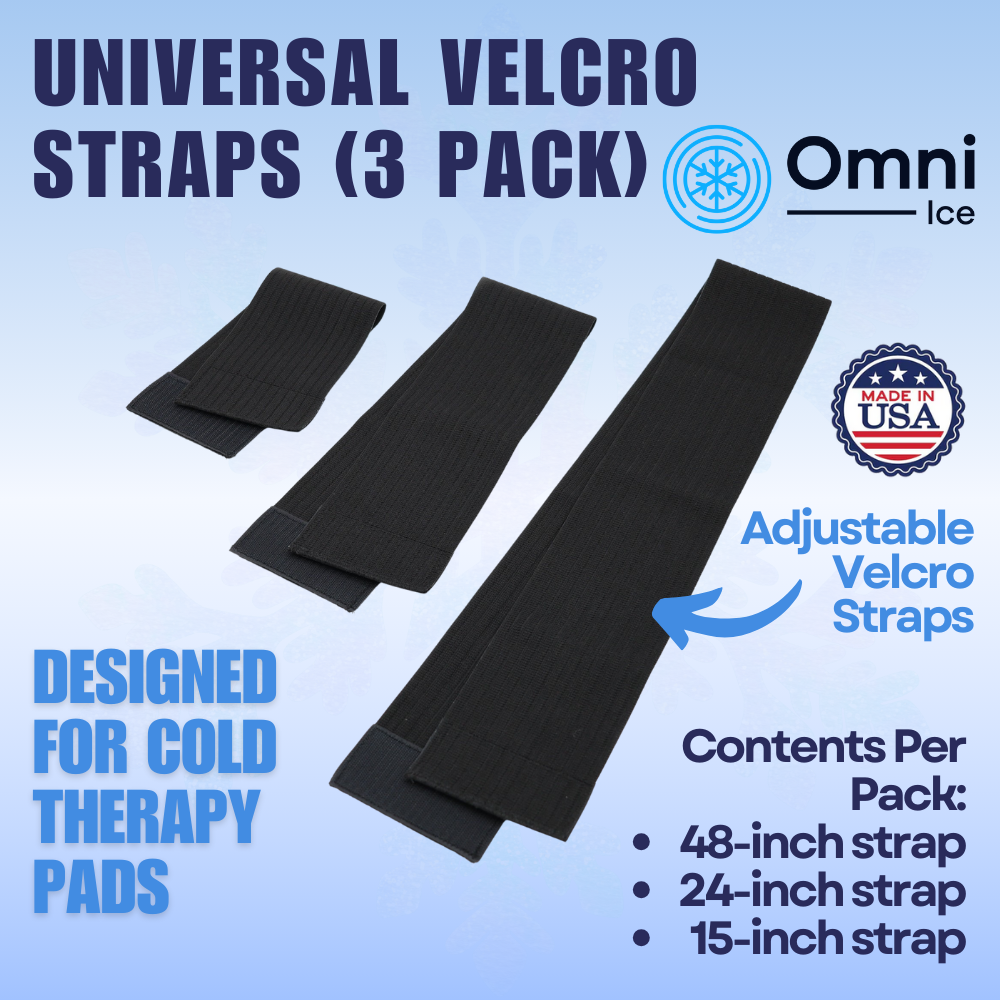
For reliable cold + compression results, many patients choose dedicated systems like cold therapy machines paired with shoulder compression wraps. If you’re recovering from rotator cuff repair, labral surgery, or a fracture, this combination often becomes a central part of your post-op protocol.
Practical tips for using compression during shoulder recovery
Follow these guidelines to get the most from compression therapy while staying safe:
- Always follow your surgeon or physical therapist’s instructions regarding timing and duration of cold and compression therapy.
- Start with short, frequent sessions (for example, 15–20 minutes every 1–2 hours in the initial 48–72 hours) unless otherwise directed.
- Use a barrier (a thin cloth or sleeve) between the skin and ice pack per device instructions to prevent frostbite or skin irritation.
- Make sure compression is snug but not painfully tight — you should not experience numbness, tingling, or color changes in the hand or arm.
- Combine compression with elevation when possible to further reduce swelling—sitting propped up with the shoulder slightly elevated is helpful.
Choosing the right compression and cold therapy products
Not all wraps and devices are created equal. Look for:
- Ergonomic designs specifically for the shoulder that allow you to keep range-of-motion exercises as prescribed.
- Adjustable compression to fine-tune support through different recovery stages.
- Compatibility with cold therapy machines if you prefer continuous circulation systems over gel packs.
MyColdTherapy.com offers a curated selection of shoulder ice wraps and name-brand cold therapy machines chosen for quality and value. If you’re recovering from a specific procedure, browse our rotator cuff recovery and post-op shoulder care categories to find targeted products.
When to call your healthcare provider
Compression and cold therapy are safe for most people, but contact your surgeon or our team if you experience:
- Severe or worsening pain despite therapy
- Numbness, tingling, discoloration, or coldness in the fingers or hand
- Signs of infection (increasing redness, drainage, fever)
Why choose MyColdTherapy for shoulder recovery supplies
MyColdTherapy.com is based in Charlotte, North Carolina, with nearly 30 years of orthopedic industry experience. We’re committed to helping you recover faster by offering best-in-class orthopedic products at affordable prices, backed by fast, same- and next-day shipping and a US-based customer service team that understands your needs. Whether you want a reliable compression wrap or a full cold therapy system, we’ll help you find the right solution. Learn more on our About Us page or review our accessories for replacement parts and pads.
If you have questions or want personalized recommendations, talk to a cold therapy consultant at 704-953-2545. We’re happy to discuss product options, shipping, and what will work best for your recovery plan.
Compression isn’t just a comfort feature — it’s a rehabilitation tool. When combined with targeted cold therapy and guided by your care team, compression can shorten recovery time, reduce pain, and help you get back to daily life sooner.