


The Best Duration and Temperature for Effective Cold Therapy
Cold therapy — often called cryotherapy or icing — is a cornerstone of post-injury and post-operative recovery. When applied correctly, it reduces pain, limits swelling, and speeds healing. But how long should you ice an injury, and what temperature is most effective? This guide explains the evidence-based recommendations for cold therapy duration and temperature, practical tips for safe use, and how to choose the right equipment for your needs.
Why duration and temperature matter
Cold reduces blood flow to an injured area, which minimizes inflammation and numbs pain. However, too little time can be ineffective, while too much cold or excessively low temperatures can cause skin damage or nerve injury. Finding the right balance—appropriate temperature combined with a safe duration—maximizes benefits while minimizing risks.
Recommended durations for common scenarios
Clinical guidance varies slightly depending on the injury and whether you're using simple ice packs or a continuous cold therapy machine. Below are practical recommendations:
- Acute injuries (first 48–72 hours): 10–20 minutes every 1–2 hours. Short, frequent applications help control swelling without risking frostbite.
- Post-operative recovery: Continuous cold therapy devices with regulated temperature are often used for longer intervals (30–60 minutes or continuous cycles) based on surgeon instructions. Always follow your surgeon’s protocol.
- Chronic pain or osteoarthritis: 15–20 minutes as needed to reduce pain and muscle spasm, up to 2–3 times per day.
- Muscle soreness after exercise: 10–15 minutes within the first 24 hours for best effect.
Optimal temperature ranges
Temperature matters more for safety than for tiny differences in effectiveness. Typical recommendations are:
- Ice packs and gel packs: These are usually applied directly after being chilled in a freezer (approximately 0–5°C / 32–41°F). Always wrap the pack in a thin cloth.
- Cold therapy machines: Medical-grade devices circulate chilled water at regulated temperatures. Effective and safe ranges are generally between 10–15°C (50–59°F) for most users. Some clinicians use slightly cooler settings for short periods if tolerated, but never below the manufacturer’s minimum recommended temperature.
- Room-temperature contrast or cryo strategies: When alternating heat and cold, follow provider guidance; typical cold exposures remain within the ranges above to avoid tissue stress.
Safety tips to avoid complications
To get the benefits of cold therapy without harm, follow these practical safety tips:
- Always protect skin with a barrier (thin towel or sleeve) between skin and ice pack unless using a device designed for direct skin contact.
- Limit sessions to recommended durations, and allow the skin to return to normal temperature between applications.
- Avoid applying extreme cold directly to numb areas or where sensation is impaired.
- Stop immediately if you experience worsening pain, skin color changes, or numbness and contact your healthcare provider.
- Discuss use of cold therapy with your surgeon or therapist for post-operative care instructions before starting a home regimen.
Choosing the right cold therapy product
Selecting appropriate equipment improves outcomes and convenience. At MyColdTherapy.com, we offer a range of trusted options to suit different needs and recovery plans:
- Cold therapy machines — Ideal for post-op recovery or continuous, regulated temperature treatment.
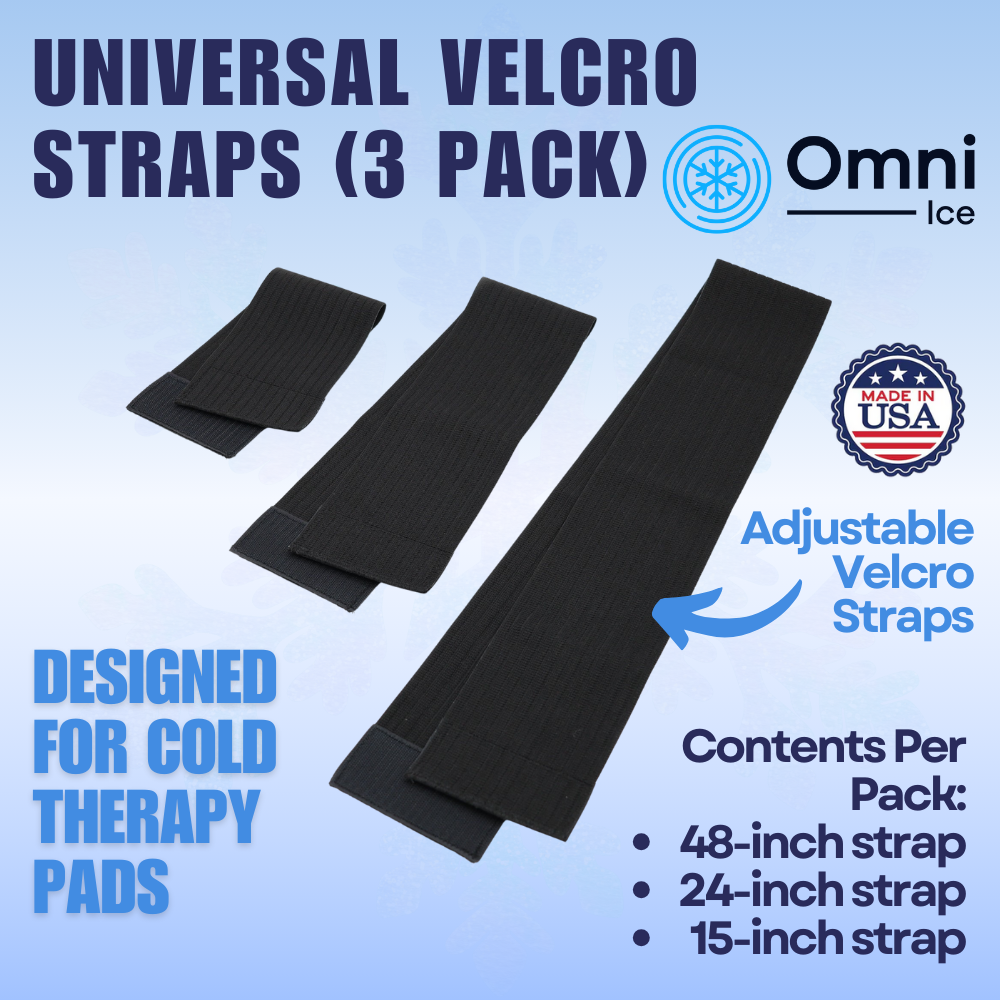
- Knee wraps and other targeted therapy wraps that keep cold where you need it most.
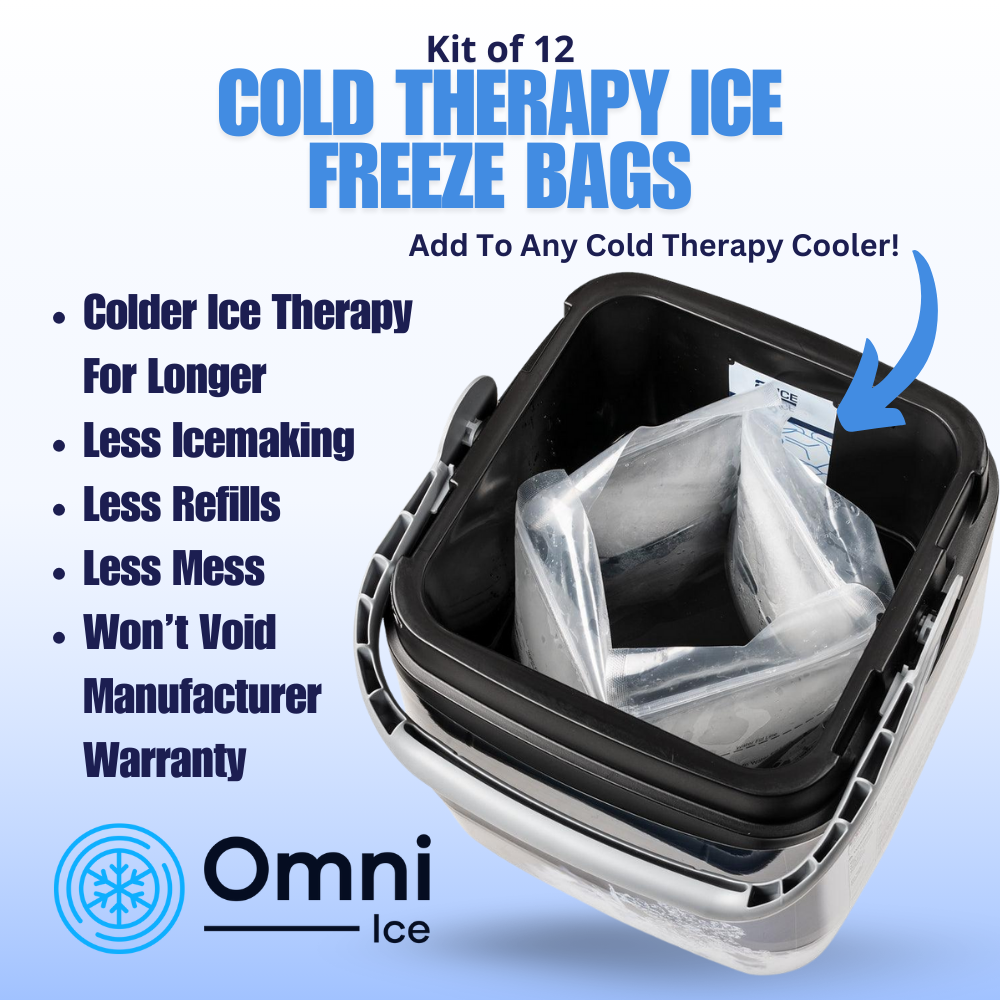
- Reusable ice packs for short-term icing and immediate injury care.
- Replacement parts and accessories so your device performs reliably.
Learn more about how to incorporate cold therapy into your rehabilitation plan on our Post-Op Care page, or explore product options on our home page.
When to consult a professional
While home cold therapy is safe for many common injuries, consult a healthcare provider if:
- Your swelling or pain worsens despite appropriate icing
- You have diabetes, circulation problems, or neuropathy
- You’re managing a surgical wound or complex orthopedic repair—follow your surgeon’s specific cold therapy instructions
MyColdTherapy.com is based in Charlotte, North Carolina, and our US-based sales and customer service team has nearly 30 years of orthopedic industry experience. If you’re unsure which device or temperature setting is right for you, contact us or speak directly to a cold therapy consultant at 704-953-2545.
Final takeaway
Effective cold therapy balances safe temperatures with appropriate durations. For most people, short, frequent applications of 10–20 minutes at near-freezing temperatures (when using packs) or regulated 10–15°C settings with cold therapy machines provide optimal pain relief and swelling control. Always follow medical advice for post-operative or complex injuries and use quality, reliable products designed for therapeutic use.
At MyColdTherapy, our commitment is to your health and recovery. We offer high-quality name-brand cold therapy machines and accessories at the best online prices, with same and next day shipping. Learn more about our offerings or talk to a specialist today—call 704-953-2545.