


The Physiology of Cold Therapy: How It Works on Nerves
Cold therapy—also known as cryotherapy—is a cornerstone of post-injury and post-operative care. Understanding the physiology behind how cold affects nerves helps patients and clinicians make informed choices about pain management and recovery. In this article we explain the key mechanisms by which cold therapy reduces pain, slows nerve signaling, and contributes to healing, and we point to practical product solutions from MyColdTherapy to support recovery.
How cold affects nerve function
When cold is applied to skin and underlying tissues, several physiologic changes occur that impact nerve activity and pain perception:
- Reduced nerve conduction velocity: Cooling slows the rate at which nerves transmit electrical signals. The colder the tissue, the slower the action potentials travel, which diminishes the intensity of pain signals reaching the brain.
- Local anesthetic-like effect: Moderate cooling can create a temporary numbness by decreasing the sensitivity of nociceptors—the sensory neurons that detect pain—resulting in analgesia without systemic medication.
- Decreased inflammatory mediator release: Cold lowers metabolic rate in the tissue and reduces the release of inflammatory molecules (like prostaglandins and cytokines) that sensitize nerves.
- Vasoconstriction: Initial cold exposure constricts local blood vessels, limiting edema formation and reducing pressure on surrounding nerves.
Immediate vs. longer-term nervous system effects
Cold therapy produces both acute and delayed effects on nerves and pain:
- Immediate: Within minutes, numbness and diminished pain signaling occur because of slowed nerve conduction and reduced nociceptor sensitivity.
- Short-term: Over hours, reduced swelling and a lower metabolic rate in injured tissue lessen ongoing nociceptive input.
- Long-term: Repeated, controlled cold therapy as part of a post-op or rehabilitation program can help maintain pain control, limit chronic inflammation, and support return to function when combined with physical therapy.
Temperature, duration, and depth: what matters for nerves
Not all cold applications are equal. The physiologic impact on nerves depends on:
- Temperature: Surface cooling to 10–15°C typically produces analgesia without causing tissue damage. Extremely low temperatures (as in cryosurgery) can destroy nerves and tissue and are not appropriate for routine therapy.
- Duration: Short bouts (10–20 minutes) are usually sufficient to achieve analgesia and reduce swelling while minimizing risks like frostbite or tissue ischemia.
- Depth: Effective cold therapy reaches superficial nerves and nociceptors; deeper structures may require specialized devices (e.g., continuous cold therapy units) for prolonged controlled cooling.
Safety: protecting nerves and tissue
Cold therapy is safe when used appropriately, but excessive cold or prolonged exposure can injure nerves and skin. Best practices include:
- Use a barrier (cloth or approved pad) between ice and skin when using reusable ice packs.
- Follow device manufacturer guidelines for time and temperature.
- Avoid cold on areas with impaired sensation or circulation unless supervised by a clinician.
- Watch for signs of excessive cooling: persistent numbness, discoloration, or skin pain.
When cold therapy is especially useful
Cold therapy is commonly recommended in these situations because of its effects on nerve signaling and inflammation:
- Post-operative pain control following orthopedic surgery (knees, shoulders, hips).
- Acute sprains and strains to reduce swelling and attenuate nociceptive input.
- Short-term flares of chronic musculoskeletal pain where inflammation is a driver.
Choosing the right cold therapy product
For consistent, safe cooling that targets nerves and reduces pain while protecting skin and soft tissues, consider products that provide controlled and sustained cold delivery. MyColdTherapy.com offers a range of solutions selected for quality and value, including:
- Cold therapy machines that deliver precise, continuous cooling for post-op recovery.
- Knee cold therapy systems designed for joint surgeries and rehabilitation.
- Shoulder cold therapy products tailored to perioperative shoulder care.
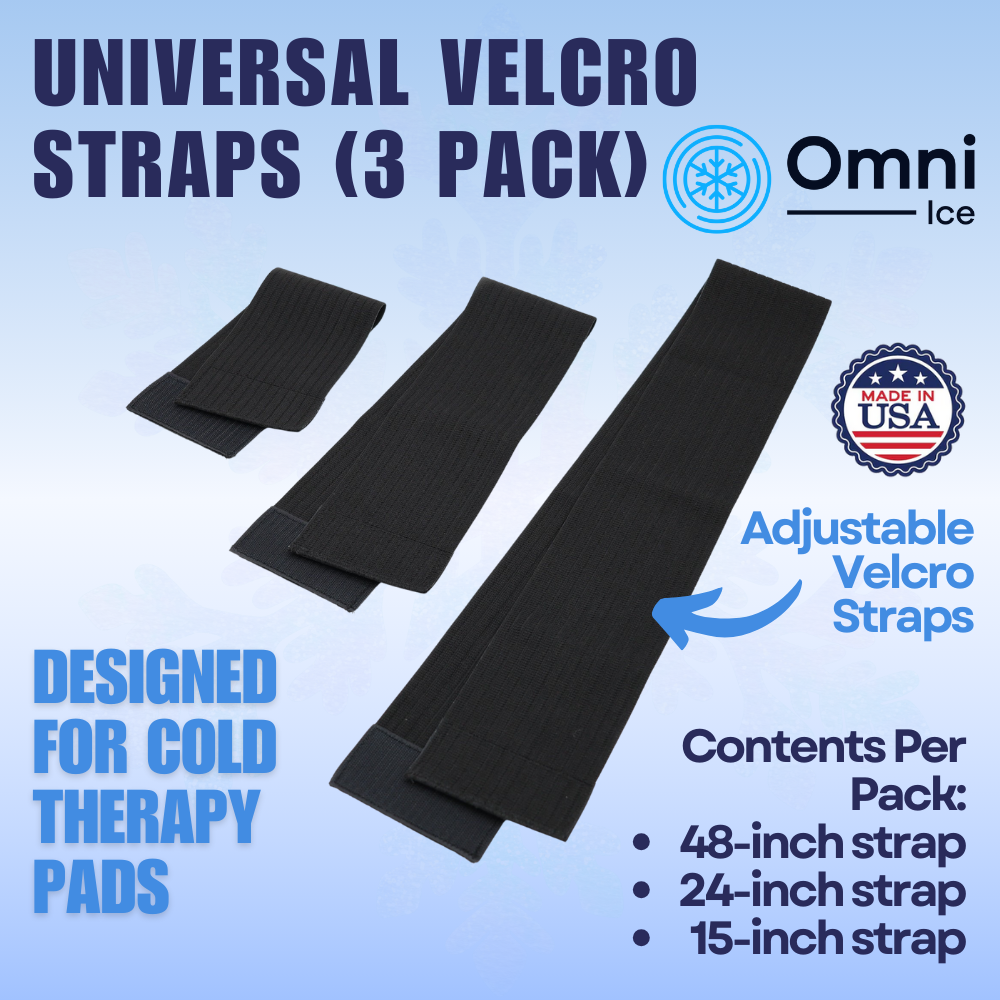
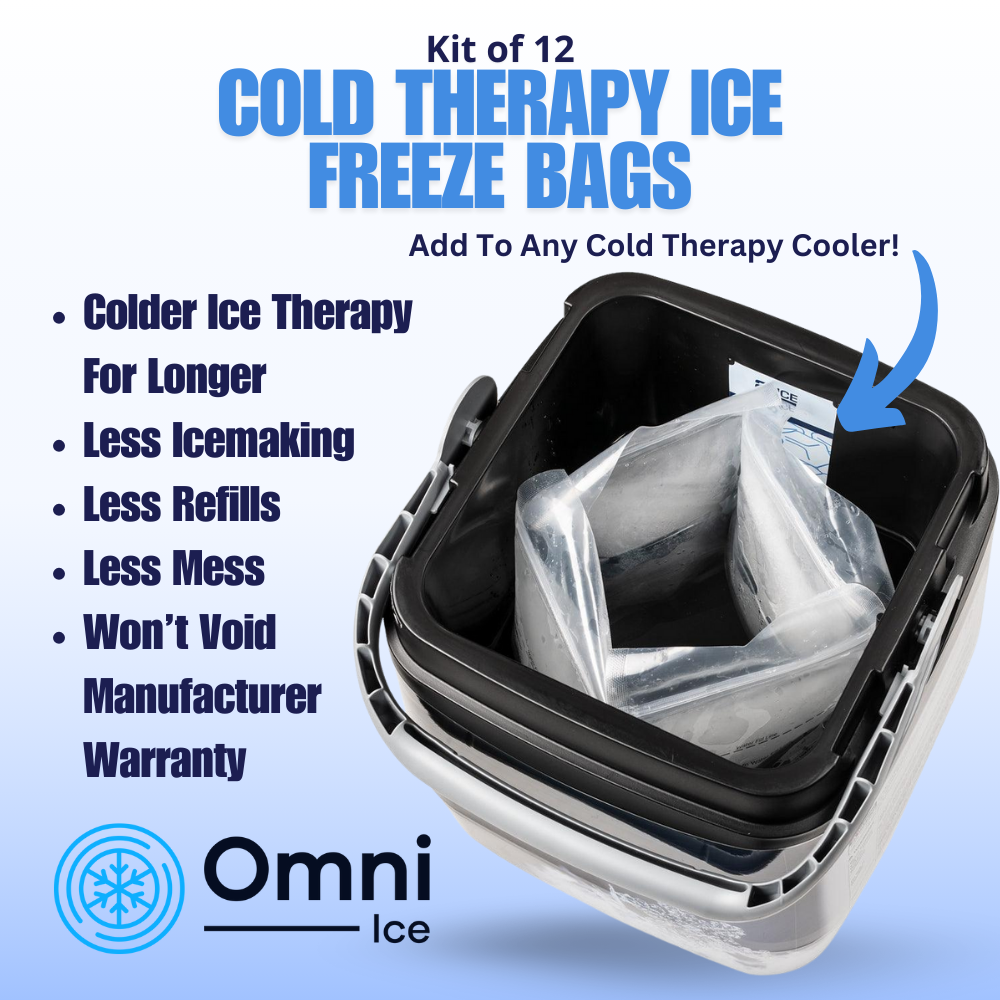
- Reusable ice packs and accessories for short-term, affordable cold applications.
- Post-operative recovery kits that pair cold therapy with other recovery essentials.
Clinical context: combining cold with other strategies
Cold therapy is most effective as part of a multimodal approach. Combining cold with elevation, compression, appropriate analgesics, and guided physical therapy optimizes outcomes. For surgical patients, integrating controlled cold therapy devices into a rehabilitation plan can reduce opioid needs and support earlier mobilization.
About MyColdTherapy
MyColdTherapy.com offers best-in-class orthopedic products at an affordable price with fast, reliable shipping and a US-based sales and customer service team that understands your needs. Based in Charlotte, North Carolina, MyColdTherapy has nearly 30 years of orthopedic industry experience. Our products are selected for the highest level of quality and value to support your health and recovery. We offer high-quality name brand cold therapy machines & accessories at the best prices found online with same & next day shipping.
Learn more about our company and products on our About page, or browse our full product catalog. If you have questions about which system is right for your situation, contact us or speak with a cold therapy consultant at 704-953-2545. Our team is standing by to help you find the right solution for recovery.
Final note
Understanding the physiology behind cold therapy—how it slows nerve conduction, reduces nociceptor sensitivity, and limits inflammation—helps you use it more effectively and safely. Whether you’re managing post-op pain or treating an acute injury, the right device and proper application can make a meaningful difference in comfort and recovery.